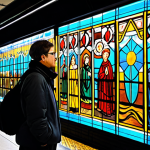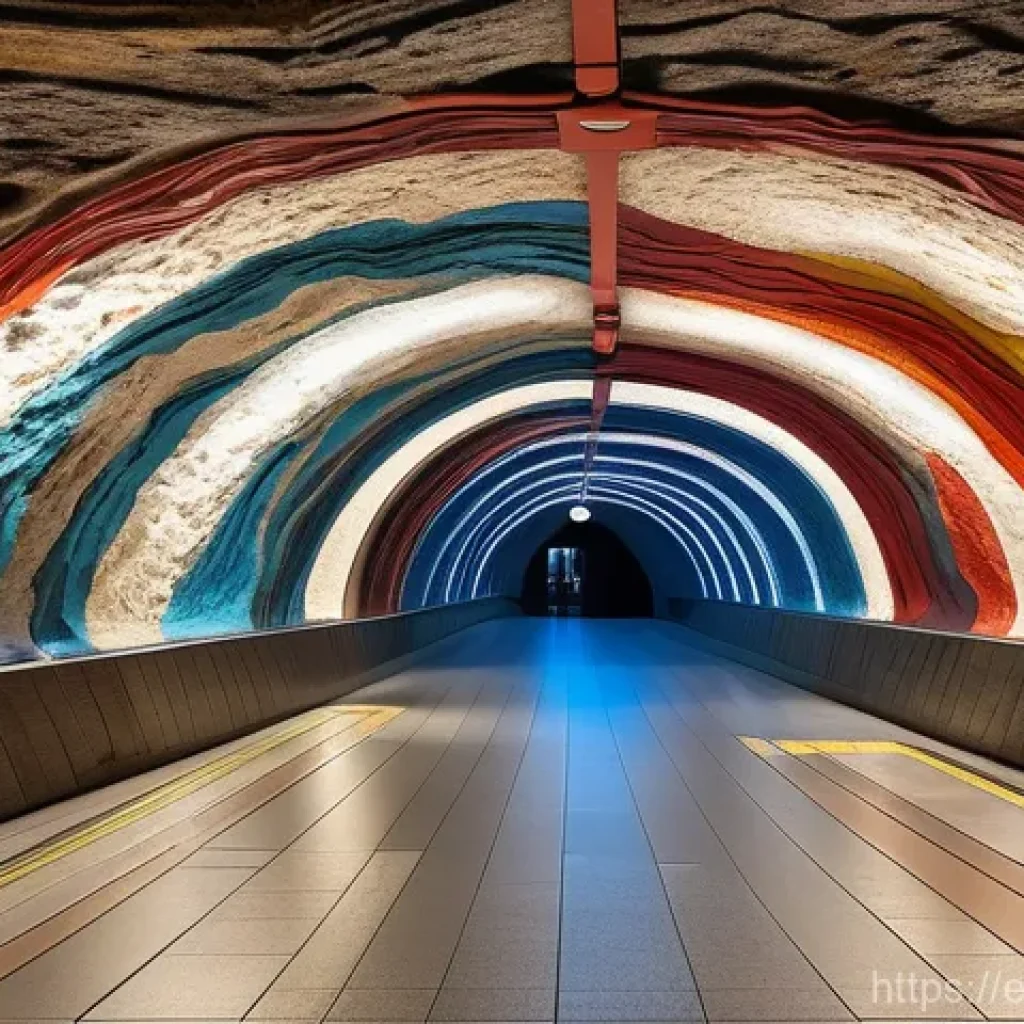
Hey everyone! You know how sometimes your daily commute can feel like… well, just a commute? The same old train, the same familiar stops, maybe a quick scroll through your phone.
But what if those everyday journeys could be transformed into something truly inspiring? What if your subway station wasn’t just a passage, but a dynamic canvas for incredible art and groundbreaking ideas?
I’ve personally found myself mesmerized lately by how cities are stepping up their game, turning mundane underground spaces into vibrant cultural hubs.
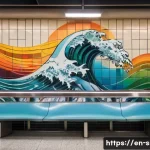
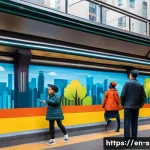
From stunning murals that tell local stories to interactive digital installations that react to your presence, the world of subway art is exploding with creativity, pushing the boundaries of what public spaces can be.
We’re seeing everything from large-scale sculptures like the “Subway Sea Serpent” in NYC, which looks like it’s burrowing through the ground, to temporary station takeovers celebrating iconic artists like Keith Haring at London’s Charing Cross, temporarily rebranded as “Haring Cross”.
These aren’t just pretty pictures; they’re ingenious solutions to engage communities, reduce urban stress, and even reflect cultural heritage, like the Indigenous art on an Edmonton bus spreading stories across the city.
It’s truly amazing to witness how these innovative projects are not only beautifying our transit systems but also fostering a stronger sense of connection and wonder in our fast-paced urban lives.
This trend is more than just aesthetics; it’s about reimagining urban experiences for the future. With advancements in technology and a growing desire for more engaging public spaces, we’re seeing a shift towards art that is integrated, interactive, and deeply reflective of the communities it serves.
Think about how a simple ride could become a momentary escape, a source of reflection, or even spark a conversation with a stranger, much like the “SubwayTakes” videos in NYC capture impromptu dialogues among riders.
It’s clear that these artistic interventions are becoming integral to modern city planning, enhancing everything from mental well-being to civic pride.
Curious to see some of the most innovative examples and understand the genius behind them? Let’s dive into the details below and get a closer look at how these artistic revolutions are shaping our daily travels.
The Art of Urban Transformation: More Than Just Murals
It’s truly incredible how cities are reimagining their underground spaces, moving far beyond the simple idea of a station as just a place to wait for a train.
I’ve personally witnessed how these projects aren’t just slapping paint on walls; they’re creating immersive experiences that completely shift your mindset the moment you step off the platform.
What used to be dreary, forgotten corners are now vibrant canvases, brimming with creativity that truly makes you pause and appreciate your surroundings.
This isn’t just about making things look pretty; it’s about infusing art into the very fabric of our daily routines, turning those moments of transit into unexpected encounters with beauty and thought-provoking pieces.
It’s a testament to urban planners and artists collaborating to see the potential in every inch of public space.
Beyond the Brushstroke: Sculptures and Installations
When I think about the evolution of subway art, my mind immediately goes to the incredible sculptural works that defy expectations. Take, for instance, the “Subway Sea Serpent” in New York City, which, as the intro mentioned, looks like it’s burrowing through the ground.
It creates such a whimsical, almost fantastical element in an otherwise industrial setting. You actually feel like you’re stepping into a different world for a few moments, and honestly, who doesn’t need a bit of that magic in their morning commute?
These installations aren’t static; they often play with light, space, and even the movement of the trains themselves to create dynamic narratives. It’s truly fascinating to see how artists leverage the unique architectural features of subway stations to tell their stories, turning subterranean passages into galleries that captivate.
Reflecting Culture: Local Stories on a Grand Scale
What I love most about some of these artistic interventions is their deep connection to the local culture and history. It’s not just generic art; it’s art that speaks to the soul of the city it inhabits.
The Indigenous art on an Edmonton bus, for example, is a powerful way to spread stories and heritage across the city, making sure those important narratives are seen and appreciated by a wider audience every single day.
Similarly, in many European cities, you’ll find mosaics and murals that depict historical events or celebrate local heroes, transforming a simple journey into a mobile history lesson.
This intentional integration of cultural storytelling through art helps reinforce a sense of identity and pride among residents, and it’s a brilliant way to educate visitors about the unique spirit of the place they’re exploring.
Crafting Connections: How Art Builds Community
I’ve always believed that art has this incredible power to bring people together, and nowhere is that more evident than in public spaces like subway stations.
When you see a truly magnificent piece of art underground, it’s like a shared secret, a momentary connection you have with every other person who passes by it.
These installations aren’t just pretty; they’re conversation starters, icebreakers, and sometimes, even sources of comfort in the hustle and bustle of city life.
I’ve often found myself exchanging a knowing glance or a quick smile with a stranger as we both admire a particularly striking mural, and those small interactions, for me, are what make urban living so rich.
It’s about creating common ground, even in a fleeting moment.
Sparking Conversations and Shared Experiences
Think about those moments when you’re waiting for a train and something truly catches your eye. Perhaps it’s a vibrant mural or a thought-provoking sculpture.
I’ve personally seen how these pieces get people talking. “SubwayTakes” videos in NYC capture this perfectly – impromptu dialogues among riders, sparked by a shared experience in their environment.
It’s no longer just a passive wait; it becomes an opportunity for connection, for sharing an opinion, or simply for acknowledging a moment of shared awe.
This collective experience of art in public spaces transcends language barriers and social divides, creating a universal point of interaction that enriches the daily commute for everyone.
A Sense of Belonging: Art as a Civic Anchor
Beyond sparking individual conversations, subway art can foster a much deeper sense of community and civic pride. When a city invests in art for its public transit, it sends a clear message that it values beauty, creativity, and the well-being of its citizens.
I recall visiting a city where each station along a particular line had a distinct artistic theme, reflecting the neighborhood above it. It made navigating the city feel less like a chore and more like an exciting exploration.
Residents developed a strong attachment to “their” station’s art, and it became a point of local identity. This kind of investment transforms public spaces into communal living rooms, spaces where people feel a sense of ownership and belonging, reinforcing the idea that these shared environments are truly for everyone.
The Interactive Journey: Engaging Commuters with Tech
The future of subway art isn’t just about what you see; it’s increasingly about what you *experience* and *interact* with. I’ve been utterly fascinated by how technology is being seamlessly woven into these installations, transforming passive viewing into active engagement.
It’s a smart move, really, because in our device-driven world, getting people to look up from their phones requires something truly compelling. These interactive pieces are not only capturing attention but also encouraging a more playful and curious approach to our daily journeys, making the commute something to look forward to rather than just endure.
It’s an exciting frontier where art and innovation merge to create truly memorable moments.
Digital Dreams: Projections and Augmented Reality
Imagine waiting for your train and seeing the walls around you come alive with dynamic digital projections that respond to the time of day or even the weather outside.
I’ve seen some incredible examples where entire station ceilings become shifting canvases of light and color, like the digital waterfall installations that create a calming, almost meditative atmosphere.
Then there’s augmented reality, which allows you to use your phone to unlock hidden layers of art, revealing historical facts or interactive elements that aren’t visible to the naked eye.
This fusion of the physical and digital creates an endlessly fresh experience, ensuring that even frequent commuters can discover something new with every ride.
Responding to You: Art That Comes Alive
What truly blows my mind about this technological integration is art that actually reacts to your presence. We’re talking about installations that use motion sensors to change patterns as people walk by, or soundscapes that evolve based on the number of commuters in the station.
It makes you feel like an integral part of the artwork itself, not just an observer. I remember one particular piece that created ripples of light on the floor as people walked over sensors, mimicking water.
It was such a simple yet profound way to make everyone a participant, turning a mundane wait into a playful and captivating moment. This shift towards responsive art truly elevates the subway experience from a passive journey to an active, engaging adventure.
From Mundane to Magical: Elevating Everyday Travel
Let’s be honest, for many of us, our daily commute can often feel like a monotonous blur. The same route, the same sights, day in and day out. But what I’ve been seeing unfold in cities around the globe is this beautiful transformation, where these transit spaces are becoming hubs of unexpected delight and wonder.
It’s more than just a fleeting distraction; it’s about intentionally designing moments that uplift spirits, spark curiosity, and momentarily transport you from the everyday grind.
I personally find that these splashes of art can dramatically alter my mood, turning a potentially stressful journey into a more pleasant and even inspiring one.
It’s a testament to the power of thoughtful design in public spaces.
Breaking the Monotony: A Daily Dose of Wonder
I’ve had countless days where I’m heading to a meeting, feeling a bit rushed or stressed, and then I encounter a stunning new art piece in the subway station.
Suddenly, the pace of my day shifts, even if just for a few seconds. It could be a vibrant mural bursting with color, or a clever optical illusion that makes me do a double-take.
These small doses of wonder are incredibly impactful. They break the routine, provide a mental reset, and often leave me with a little smile on my face as I continue my journey.
It’s about injecting joy and visual interest into parts of our lives that might otherwise feel mundane, making each trip an opportunity for a pleasant surprise.
Well-being Wonders: Art’s Impact on Mental Health
Beyond just breaking monotony, there’s a real, tangible benefit to our well-being when we’re exposed to beauty and creativity, especially in stressful environments.
Studies have shown that exposure to art can reduce stress and improve mood. For me, personally, walking through a station adorned with captivating art feels calming.
It offers a momentary escape from the crowds and the noise, providing a visual anchor that encourages a brief moment of reflection. Cities are increasingly recognizing this, investing in public art not just for aesthetics but as a public health initiative, aiming to create more pleasant and mentally supportive environments for their citizens during their daily travels.
Sustainability and Storytelling: Public Art’s Deeper Purpose
I’m really impressed by how many of these innovative art projects in subway systems are doing more than just looking good; they’re also deeply integrated with sustainability efforts and powerful storytelling.
It’s a thoughtful approach that shows a commitment to both environmental responsibility and the preservation of cultural narratives. This kind of integrated design is what truly elevates urban planning, creating spaces that are not only aesthetically pleasing but also functionally and culturally rich.
It makes me feel good knowing that the art I’m admiring is also contributing to a greater good, telling important stories that might otherwise be forgotten.
Echoes of History: Preserving the Past, Inspiring the Future
Many subway art initiatives cleverly weave in historical elements, ensuring that the past isn’t forgotten as cities evolve. Whether it’s through murals depicting key historical events or installations that pay homage to a neighborhood’s industrial heritage, these pieces serve as silent historians.
They educate commuters, foster a sense of shared memory, and even spark dialogue about where a community has come from and where it’s headed. It’s like getting a mini history lesson on your way to work, which I find absolutely fascinating.
This intentional storytelling creates a deeper connection between people and their urban environment, turning transit spaces into living museums.
Green Transit: Integrating Eco-Conscious Art
It’s also fantastic to see how some projects are incorporating sustainable materials and themes into their designs. From recycled materials used in sculptures to art installations that promote environmental awareness, the intersection of art and eco-consciousness is becoming a powerful force.
Imagine a piece crafted entirely from discarded metro tickets, or a mural that highlights the importance of public transport in reducing carbon footprints.
These installations not only beautify but also subtly educate and inspire more sustainable behaviors, making our daily commute a quiet reminder of our collective responsibility to the planet.
It’s a smart way to merge artistic expression with urgent environmental messages.
Funding the Future: The Business Behind Subway Creativity
You might wonder how all these incredible art projects get off the ground, especially in public transit systems that are often focused on efficiency and infrastructure.
Well, it’s a fascinating mix of creative financing and forward-thinking partnerships that make these transformations possible. I’ve learned that it’s rarely just one entity footing the bill; instead, it’s a collaborative effort that speaks volumes about a city’s commitment to culture and public well-being.
This economic model isn’t just about charity; it’s an investment that pays dividends in terms of civic pride, tourism, and even urban revitalization.
Public-Private Partnerships: A Collaborative Canvas
Many of the most impactful subway art projects I’ve encountered are the result of robust public-private partnerships. City transportation authorities often team up with art organizations, local businesses, and even corporate sponsors to fund and execute these ambitious visions.
For example, a major tech company might sponsor a digital art installation, gaining positive publicity while contributing to the urban landscape. This synergistic approach allows for larger, more innovative projects that might not be possible with public funding alone, creating a win-win situation where art flourishes and communities benefit.
It’s a practical and effective way to ensure these cultural initiatives continue to thrive.
Investing in Inspiration: The Economic Benefits
Beyond the immediate beautification, there’s a compelling economic argument for investing in subway art. Vibrant, aesthetically pleasing stations can significantly enhance the commuter experience, potentially increasing ridership and making public transport a more attractive option.
Furthermore, iconic art installations can become tourist attractions in themselves, drawing visitors who might then spend money in local shops and restaurants.
This ripple effect contributes to the local economy and boosts a city’s cultural profile on a global stage. It’s a shrewd investment, demonstrating that art isn’t just an expense but a powerful catalyst for economic and social growth.
My Personal Take: Why These Spaces Resonate
As someone who navigates urban environments daily, I can’t tell you enough how much these artistic interventions mean to me. They’re not just background noise; they’re moments of profound connection and unexpected beauty in what can sometimes feel like a relentless grind.
I’ve often found myself rushing through a station, only to be stopped in my tracks by a particularly stunning mural or a clever installation. Those brief pauses are precious, offering a mental break and a reminder of the human capacity for creativity and wonder.
It’s truly amazing how a splash of color or a thoughtful sculpture can alter your entire day for the better.
My Own Moments of Awe Underground
I’ve had so many personal experiences that underscore the power of subway art. I remember one morning, feeling completely swamped with deadlines, I stepped onto a platform in London where the entire tunnel wall was a mesmerizing light display.
It wasn’t just pretty; it was dynamic, changing patterns as the train approached. For those few minutes, my stress melted away, and I was just captivated.
Another time, in Lisbon, I discovered a station entirely adorned with traditional azulejo tiles, each panel telling a story. It transformed a simple transfer into an educational and beautiful detour.
These aren’t just anecdotes; they’re genuine moments where art has provided solace, inspiration, and a much-needed dose of joy.
The Power of Unexpected Beauty
There’s something uniquely impactful about encountering art in an unexpected place. It’s not like walking into a gallery, where you’re mentally prepared to see art.
In a subway station, it hits you differently, often when you least expect it. This element of surprise amplifies its effect, making the experience more memorable and impactful.
It speaks to our innate human need for beauty and stimulation, even in the most utilitarian settings. I truly believe that by consciously integrating art into our daily commutes, cities are doing something profound – they’re enriching our lives, one train ride, one station, one stunning piece of art at a time.
It’s a wonderful testament to making our urban spaces more human.
The Global Canvas: Iconic Examples Around the World
It’s truly inspiring to look at how different cities across the globe are embracing subway art, each bringing their unique cultural flair and artistic vision to their underground networks.
From sprawling murals to intricately designed architectural elements, these examples showcase a global movement to transform transit into something much more meaningful.
I’ve been fortunate enough to see some of these in person, and let me tell you, they’re even more breathtaking when you’re standing right there, immersed in the energy of the city.
It’s a fantastic reminder that art knows no bounds and can thrive anywhere.
North American Wonders: From Grand Central to Montreal
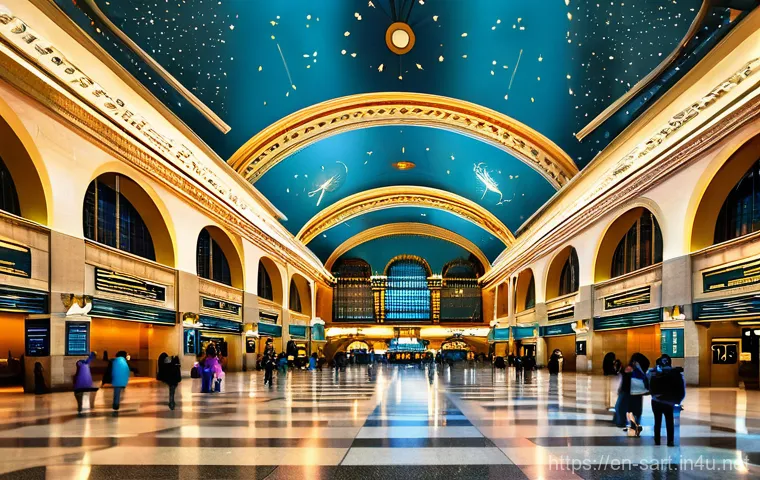
North America has some truly iconic examples. Of course, New York City’s Grand Central Terminal, while not strictly “subway,” is a masterpiece of public art and architecture, with its celestial ceiling mural being a prime example of turning a transit hub into an awe-inspiring space.
Then you have places like Montreal, where many metro stations are individual works of art, each designed by a different architect and artist. They’ve created a network that feels like a subterranean art gallery.
These projects demonstrate a commitment to integrating beauty and design into the very infrastructure of the city, making every ride a visual journey.
European Gems: Paris’s Loup and Stockholm’s Tunnelbana
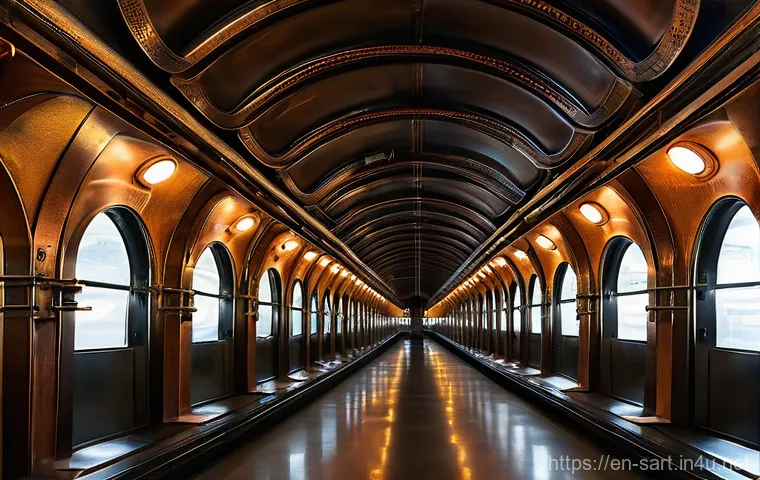
Europe, with its rich history of art and design, boasts some truly spectacular subway art. Paris, for instance, has several exquisitely decorated stations, like Arts et Métiers, which feels like you’ve stepped into a Jules Verne novel with its copper plating and portholes.
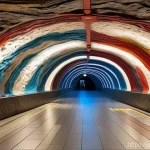
And then there’s Stockholm’s Tunnelbana, often called the “world’s longest art gallery.” Nearly every one of its 100 stations is uniquely decorated with paintings, sculptures, and mosaics, carved out of bedrock and painted vibrant colors.
It’s a breathtaking experience, and I recall spending an entire afternoon just hopping from station to station, feeling completely immersed in a wonderland of art.
These examples truly set a high bar for urban aesthetics.
| City | Notable Subway Art Example | Unique Feature / Impact |
|---|---|---|
| Stockholm, Sweden | Tunnelbana (Various Stations) | Often called “the world’s longest art gallery,” with nearly 100 stations featuring diverse art, from cave-like painted bedrock to mosaics and sculptures, creating an immersive, fantastical experience. |
| New York City, USA | Grand Central Terminal (Celestial Ceiling) | While a terminal, its stunning celestial mural on the main concourse ceiling is a masterpiece of public art, inspiring awe and transforming a transit space into a grand artistic statement. |
| Montreal, Canada | Montreal Metro (Various Stations) | Each station is individually designed by a different architect and artist, resulting in a unique collection of public artworks that are deeply integrated into the station’s architecture. |
| London, UK | Various installations (e.g., “Haring Cross”) | Ranges from large-scale permanent installations to temporary takeovers celebrating artists (like Keith Haring), engaging commuters and reflecting cultural heritage. |
| Paris, France | Arts et Métiers Metro Station | Designed by François Schuiten in a steampunk style to evoke a Jules Verne submarine, featuring copper plating and portholes, creating a highly immersive and thematic environment. |
Wrapping It Up
As we’ve journeyed through the incredible world of urban art in our transit systems, I hope you’ve felt the same sense of wonder and appreciation that I have. It’s truly amazing to see how cities are breathing new life into these often-overlooked spaces, transforming what used to be purely functional areas into vibrant, thought-provoking galleries. For me, personally, these artistic interventions are more than just pretty distractions; they’re vital components of a city’s soul, offering moments of unexpected beauty, sparking conversations, and fostering a deeper connection to our surroundings. Every time I step into a station now, I find myself looking around with fresh eyes, eager to discover the next piece of magic tucked away in plain sight. It’s a testament to human creativity and our collective desire to find inspiration even in the most mundane of daily routines. This movement isn’t just decorating our commutes; it’s enriching our entire urban experience, one brushstroke, one sculpture, one interactive display at a time.
Extra Insights for Your Next Ride
1. Look Beyond the Obvious: Don’t just rush through. My personal tip is to pause for a moment at each station. You’d be surprised what hidden gems you might spot – a subtle mosaic, an intriguing pattern on the ceiling, or even a fleeting digital projection. These small moments of discovery often become the most memorable parts of my day.
2. Engage with Local Culture: Many subway art installations are deeply rooted in the history and culture of the immediate neighborhood or city. Take a moment to read any accompanying plaques or even do a quick search on your phone. Understanding the story behind the art can turn a simple visual into a powerful cultural experience, as I’ve found time and again in my travels.
3. Check for Interactive Elements: With technology advancing so rapidly, a lot of modern public art is designed for interaction. Keep an eye out for QR codes, motion sensors, or areas that invite you to touch or listen. I’ve been delightfully surprised by how many pieces come alive when you engage with them, transforming passive viewing into a playful adventure.
4. Consider Off-Peak Exploration: If you want to truly appreciate the art without the rush hour crowds, try visiting stations during off-peak hours or on weekends. You’ll have more space and time to take in the details, snap some photos, and simply immerse yourself in the artistic environment without feeling hurried. It’s a fantastic way to experience these spaces differently.
5. Share Your Discoveries: Found a stunning piece? Share it! Whether it’s with friends, family, or on social media, spreading the word helps highlight these incredible urban transformations. Your post might encourage someone else to seek out and appreciate the art, contributing to a larger community of art lovers and urban explorers. I always love seeing what others have found!
Key Takeaways
Ultimately, what I’ve learned from witnessing these amazing transformations is that urban art in transit systems is far more than mere decoration; it’s a vital force for community building, cultural storytelling, and personal well-being. These projects are intentionally designed to elevate our daily experiences, injecting moments of beauty and reflection into what could otherwise be mundane journeys. By integrating local narratives, embracing innovative technologies, and fostering sustainability, cities are making a profound investment in their citizens’ lives and cultural identity. From sparking impromptu conversations among strangers to providing a much-needed mental break during a busy commute, these artistic interventions are reshaping our relationship with public spaces. It’s about creating an environment where every ride offers an opportunity for discovery, inspiration, and a genuine connection to the vibrant pulse of our urban landscapes. This ongoing evolution truly shows how much potential lies within our cities to constantly surprise and uplift us.
Frequently Asked Questions (FAQ) 📖
Q: Why are cities really pouring resources into subway art these days? What’s the big deal?
A: This is such a great question, and one I find myself pondering quite often! From what I’ve seen traveling around, and honestly, just experiencing it myself on a typical Tuesday morning, it’s about so much more than just pretty pictures.
Cities like New York, London, and even Edmonton are realizing that these underground spaces are prime real estate for cultural expression and community building.
I mean, think about it: millions of people pass through these stations daily. If you can turn a drab commute into a moment of wonder or reflection, you’re not just beautifying a space; you’re actually boosting people’s moods, reducing stress, and fostering a stronger sense of local pride.
I remember walking through a station in NYC and seeing that incredible “Subway Sea Serpent” sculpture, and it just instantly changed my whole perspective on the day.
It’s an investment in civic well-being, a nod to a city’s unique heritage, and a really clever way to make our often-stressful urban lives just a little bit more magical.
Plus, it gives visitors something truly unique to explore, making the city even more appealing.
Q: What makes a particular piece of subway art truly stand out or be considered “innovative”?
A: Ah, this is where it gets really exciting! For me, truly innovative subway art isn’t just static. It’s often interactive, tells a story, or challenges your perception of the space.
We’re moving beyond just murals (though I still adore a good mural!). I’ve personally been blown away by installations that use light and sound to react to movement, or digital screens that display ever-changing, generative art.
Think about how Keith Haring’s pop-up “Haring Cross” in London wasn’t just a tribute; it temporarily transformed the entire feel of the station, making you part of the art experience.
Or the Indigenous art on an Edmonton bus, which isn’t confined to a station but brings cultural narratives directly into the moving urban landscape. What truly sets these pieces apart, in my opinion, is how they engage you, often unexpectedly.
They’re solving the challenge of making public art dynamic and deeply relevant, using technology and thoughtful design to turn a quick pass-through into a memorable encounter.
It’s about how it makes you feel, how it sparks curiosity, and how it manages to weave itself into the fabric of your daily journey.
Q: I’m planning a trip! How can I discover these amazing subway art installations in other cities?
A: That’s fantastic! You absolutely have to seek these out – they truly add an extra layer of richness to any travel experience. My best tip, based on my own adventures, is to start with a quick online search for “public art in [City Name] subway” or “underground art [City Name]”.
Many major transit authorities, like New York’s MTA Arts & Design program, have dedicated websites or even apps that map out all their installations. It’s a goldmine!
I’ve also found that local tourism boards or city guides often highlight these artistic gems. Don’t be afraid to look beyond just the famous central stations; sometimes the most incredible and unexpected pieces are tucked away in residential areas, waiting to be discovered.
And here’s a little secret: sometimes just getting off a stop earlier or later than you planned can reveal a hidden treasure. I’ve stumbled upon some of my favorite pieces just by being a little adventurous and letting curiosity guide me.
It’s a wonderful way to experience a city’s unique pulse and see it through a different, more artistic lens. Happy exploring!