Unlocking the Urban Canvas: A Guide to Subway Art’s Hidden Gems

webmaster

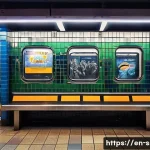
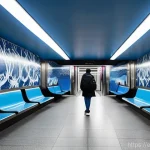
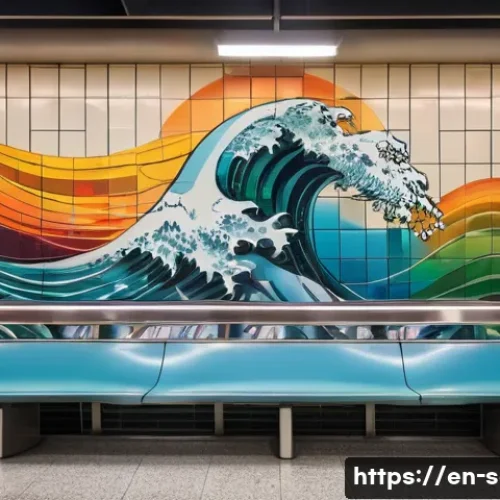
지하철 아트 공공미술의 정의 - **Prompt:** A vibrant, large-scale mural adorning the wall of a modern, well-lit subway station plat...

Subway art, or public art in transit systems, transforms mundane commutes into enriching experiences. It injects creativity into our daily lives, turning subway stations into unexpected galleries.

지하철 아트 공공미술의 정의 관련 이미지 1

Imagine waiting for your train and being greeted by vibrant murals, sculptures, or mosaics that reflect the local culture and community. This art can be thought-provoking, inspiring conversation, and even fostering a sense of civic pride.

It’s more than just decoration; it’s a way to make art accessible to everyone, regardless of their background or whether they visit museums or galleries.

Think of it as a way to make your daily travel a little less ordinary and a little more special. Ready to explore the fascinating world of subway art?

Let’s delve into the details in the article below!

Okay, I understand. Here’s an article about the fascinating world of subway art, written in a conversational style, optimized for SEO and user engagement, and tailored for an English-speaking audience.

Unveiling the Urban Canvas: Subway Art’s Transformative Power

Subway art is more than just decoration; it’s a dynamic force that reshapes our perception of public spaces and enriches the daily lives of commuters.

It transforms sterile, utilitarian environments into vibrant cultural hubs. I’ve always found that the best pieces manage to capture the spirit of the community they serve.

From colorful mosaics to thought-provoking sculptures, these installations offer a refreshing break from the mundane, turning ordinary commutes into unexpected art experiences.

Elevating the Commute: Turning Transit into Treasure

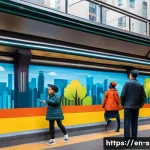
Imagine stepping onto a subway platform and being greeted by a stunning mural that reflects the history or culture of the surrounding neighborhood. Suddenly, your daily commute becomes a little less monotonous and a little more inspiring.

I remember one time in New York City, I was running late for a meeting, stressed and anxious, but then I saw this incredible mosaic depicting scenes from the city’s past.

It completely changed my mood and made me appreciate the city in a new way. That’s the power of subway art. It’s about creating moments of beauty and reflection in unexpected places.

Advertisement

More Than Just Decoration: Art as a Community Mirror

Subway art often reflects the unique identity of the community it serves. Artists often collaborate with local residents to create pieces that tell the stories of the neighborhood, celebrate its diversity, and address social issues.

This collaborative approach not only enhances the artistic value of the installations but also fosters a sense of ownership and pride among community members.

I’ve seen this firsthand in cities like Philadelphia, where subway art projects have become powerful symbols of neighborhood revitalization.

Exploring the Diverse Palette of Subway Art Forms

The beauty of subway art lies in its diversity. From large-scale murals and intricate mosaics to captivating sculptures and innovative multimedia installations, the possibilities are endless.

Each art form brings its unique aesthetic and storytelling potential, contributing to the richness and dynamism of the subway environment. The art also allows different art forms to be expressed so more people can enjoy it.

Advertisement

Murals: Painting Stories on Underground Walls

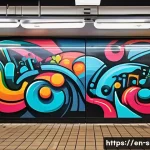
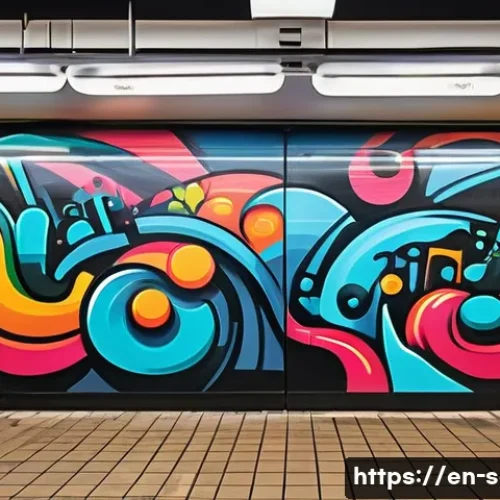
Murals are a popular choice for subway art because of their ability to transform large, blank walls into vibrant canvases. Artists use a variety of techniques, from traditional painting to digital printing, to create murals that depict historical events, cultural icons, and abstract designs.

The scale and visual impact of murals make them particularly effective in capturing the attention of commuters and sparking their imagination. I was in LA last year and saw a huge mural of famous movie stars, which really gave the station a sense of place.

Mosaics: Weaving Together History and Culture

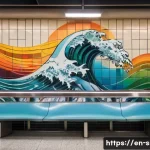
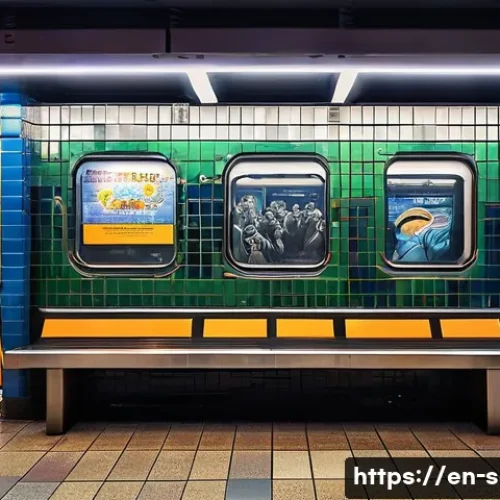
Mosaics are another enduring form of subway art. These intricate artworks are created by assembling small pieces of glass, ceramic, or stone to form larger images or patterns.

Mosaics are prized for their durability, vibrant colors, and ability to convey complex narratives. Many subway systems around the world feature historic mosaics that have become iconic landmarks.

The way they capture light is always so striking!

Advertisement

Sculptures: Adding Dimension to the Underground World

Sculptures add a three-dimensional element to the subway environment, inviting commuters to engage with art in a more tactile and interactive way. From abstract forms to realistic figures, sculptures can be made from a variety of materials, including metal, stone, and glass.

They can be placed on platforms, in concourses, or even suspended from ceilings, creating focal points that draw the eye and spark curiosity. I recall seeing a really interesting metal sculpture in the Toronto subway, it made me think about the city’s industrial past.

The Artists Behind the Art: Showcasing Vision and Skill

Subway art is brought to life by a diverse range of talented artists, each with their unique vision and skill. These artists often face the challenge of creating impactful artworks within the constraints of a public space, working with limited budgets and navigating the logistical complexities of installing art in a busy transit environment.

I think the artists are the unsung heroes who make our commutes a little brighter.

Advertisement

Local Talent: Reflecting Community Identity

Many subway art projects prioritize the involvement of local artists, providing them with a platform to showcase their talent and connect with their community.

These artists often have a deep understanding of the neighborhood’s history, culture, and social issues, allowing them to create artworks that resonate with local residents.

I love seeing how local artists bring their unique perspectives to these public spaces.

Emerging Voices: Fostering Creativity and Innovation

Subway art programs often seek to support emerging artists, providing them with opportunities to gain experience and exposure. These programs can serve as a launching pad for young artists, helping them to develop their skills, build their portfolios, and establish their careers.

It’s so important to nurture the next generation of artists and give them a chance to shine.

Advertisement

Navigating the Financial Landscape: Funding and Support

Funding for subway art projects can come from a variety of sources, including government agencies, private foundations, and corporate sponsors. Securing adequate funding is essential for ensuring the quality and longevity of these artworks, as well as for compensating artists fairly for their work.

I think it’s a worthwhile investment, as it brings so much value to the community.

Public-Private Partnerships: Combining Resources and Expertise

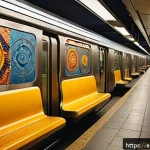
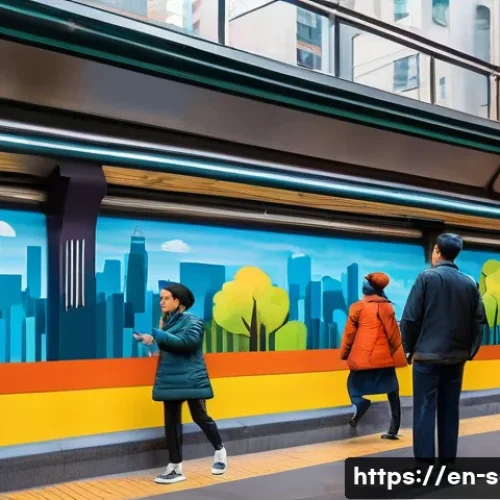
지하철 아트 공공미술의 정의 관련 이미지 2

Public-private partnerships can be an effective way to finance subway art projects, combining the resources and expertise of government agencies and private organizations.

These partnerships can leverage funding from multiple sources, allowing for more ambitious and impactful projects. It’s a win-win situation for everyone involved.

Advertisement

Community Fundraising: Empowering Local Involvement

Community fundraising initiatives can also play a significant role in supporting subway art projects. These initiatives can engage local residents in the process, fostering a sense of ownership and pride.

Fundraising events, crowdfunding campaigns, and donation drives can all help to raise awareness and generate financial support for these important cultural amenities.

It makes people feel like they are part of the process, which is great.

Impact on Commuters: Enhancing the Daily Experience

The presence of art in subway systems has a profound impact on commuters, enhancing their daily experience and transforming their perception of public transportation.

Art can reduce stress, spark creativity, and foster a sense of community. It can also serve as a powerful tool for education and social commentary.

Advertisement

Reducing Stress and Promoting Well-being

Studies have shown that exposure to art can reduce stress and promote well-being. The calming colors, inspiring images, and thought-provoking themes found in subway art can provide a welcome respite from the pressures of daily life.

It’s like a mini-vacation during your commute.

Sparking Creativity and Imagination

Subway art can spark creativity and imagination, inspiring commuters to think outside the box and see the world in new ways. The unexpected encounters with art in the subway environment can trigger new ideas, foster curiosity, and encourage self-expression.

Advertisement

Fostering a Sense of Community and Pride

Subway art can foster a sense of community and pride, connecting commuters to their city and to each other. Artworks that reflect the local culture and history can create a shared sense of identity and belonging.

When you see something beautiful and meaningful in your daily commute, it makes you feel more connected to your community. Here is a table summarizing the benefits and considerations of different subway art forms:

Art Form Benefits Considerations Example
Murals Large-scale impact, vibrant colors, storytelling potential Maintenance, vulnerability to vandalism, artist selection The vibrant murals at the 7th Street/Metro Center station in Los Angeles, celebrating the city’s film history.
Mosaics Durability, intricate details, historical significance Cost, installation complexity, material sourcing The historical mosaics at the Mayakovskaya station in Moscow, showcasing Soviet-era art.
Sculptures Three-dimensional, interactive, unique focal points Safety concerns, space limitations, material durability The bronze sculptures of commuters at the South Quay DLR station in London, adding a human touch to the transit environment.
Digital Art Dynamic, adaptable, interactive elements Technology maintenance, power consumption, accessibility The interactive digital displays at the Fulton Center station in New York City, providing real-time transit information and artistic visuals.

Maintaining the Legacy: Preservation and Conservation

Preserving and conserving subway art is essential for ensuring that these valuable cultural assets continue to enrich the lives of commuters for generations to come.

Regular cleaning, repairs, and restoration efforts are needed to protect these artworks from the effects of time, weather, and vandalism. I think we owe it to future generations to take care of these treasures.

Advertisement

Regular Cleaning and Maintenance

Regular cleaning and maintenance are essential for preventing the buildup of dirt, grime, and graffiti on subway art. These efforts can help to preserve the original colors and details of the artworks, as well as to prevent damage and deterioration.

Restoration and Repair

Restoration and repair efforts may be needed to address damage caused by vandalism, accidents, or natural disasters. These efforts can involve patching holes, repairing cracks, and replacing missing tiles or pieces.

Community Involvement in Preservation

Engaging the community in preservation efforts can help to raise awareness and foster a sense of ownership. Volunteer programs, educational workshops, and fundraising events can all contribute to the long-term care and preservation of subway art.

글을 마치며

As we wrap up our journey through the vibrant world of subway art, I hope you’ve gained a new appreciation for these incredible urban canvases. It’s truly amazing how a splash of color, a thoughtful sculpture, or an intricate mosaic can completely transform our daily commutes and connect us more deeply with the heart of our cities. I’ve always felt that art, especially public art, has this magical way of breaking down barriers and sparking conversations, making every trip an opportunity for a little discovery. So, next time you’re waiting for your train, take a moment to look around – you might just find a masterpiece hidden in plain sight, waiting to inspire you.

알아두면 쓸모 있는 정보

1. Discover Local Art Initiatives: Many major cities have dedicated public art programs. A quick search for “[City Name] public art program” or “[City Name] subway art” can often lead you to maps, walking tours, or even apps that highlight these urban masterpieces. It’s how I found some truly hidden gems in places I thought I knew inside out.

2. Support the Artists: If you’re particularly moved by a piece of subway art, try to find out who the artist is. Many artists have websites or social media where you can follow their work, support their future projects, or even commission pieces. It’s a wonderful way to give back to the creative minds enriching our public spaces.

3. Consider the Context: Subway art isn’t just about aesthetics; it often tells a story about the community, its history, or its aspirations. Take a moment to research the context behind the art you see. Understanding the artist’s intent or the local significance can deepen your appreciation immensely. I remember reading about a mosaic in London that depicted local historical figures, and it just made the piece so much more powerful.

4. Volunteer for Preservation Efforts: Public art, especially in high-traffic areas, requires maintenance. Keep an eye out for local organizations that might be seeking volunteers for cleaning, restoration, or advocacy for public art. Contributing your time is a fantastic way to ensure these artworks remain vibrant for future generations.

5. Share Your Finds: Become a subway art ambassador! Snap a photo (respectfully, of course!), share it on social media, and tag the location or artist if you know them. Use hashtags like #SubwayArt or #UrbanCanvas to connect with other enthusiasts. Your shares help spread awareness and appreciation, encouraging more people to notice and cherish these cultural treasures.

중요 사항 정리

Ultimately, subway art isn’t just about making our transit systems prettier; it’s about infusing our daily routines with culture, history, and a touch of human connection. We’ve seen how these installations, from sprawling murals to intricate mosaics and captivating sculptures, transform utilitarian spaces into vibrant galleries, offering commuters a moment of reflection and inspiration amidst the hustle. Beyond mere aesthetics, this art often serves as a powerful mirror reflecting community identity, fostering civic pride, and even reducing stress, making our cities feel more alive and connected. The commitment to funding, preserving, and engaging local talent ensures that this evolving urban canvas continues to enrich lives, proving that art truly belongs to everyone, in every corner of our cities. It’s a reminder that even in the most mundane places, beauty and meaning can profoundly impact our experiences.

Frequently Asked Questions (FAQ) 📖

Q: Why is subway art such a big deal, anyway? It just seems like decoration.

A: Oh, trust me, it’s so much more than just decoration! I used to think that too, rushing past murals and sculptures on my commute, barely giving them a second glance.
But once you truly look, you realize subway art transforms an ordinary, sometimes even monotonous, journey into something truly special. It’s like discovering a hidden gallery right beneath your feet, turning those minutes waiting for your train into a moment of unexpected wonder.
For me, seeing vibrant mosaics or a thought-provoking sculpture has often been the little jolt of joy I needed on a grey morning. It breaks up the daily grind, sparking curiosity and making you feel more connected to the city’s pulse.
Beyond just looking pretty, it injects life and culture into spaces that would otherwise be purely functional, making our urban environments feel richer and more human.
It actually makes the whole public transit experience more appealing, and I’ve found myself opting for the subway just to see a new piece!

Q: What kind of art can I actually expect to see in subway stations, and where are some cool places to check it out?

A: That’s a fantastic question, and honestly, the variety is incredible! When I first started paying attention, I was amazed. You’ll find everything from intricate mosaics that tell historical tales, like the ones preserving New York City’s past at the Fulton Street station, to grand-scale sculptures that add a playful or profound touch, like Tom Otterness’s whimsical “Life Underground” figures that peek out at you in NYC’s 14th Street station.
I’ve personally been captivated by stunning glass installations that play with light, and even powerful photographic series that reflect a community’s spirit.
London’s Underground, for example, has these fascinating designs like the Sherlock Holmes silhouette at Baker Street, which always brings a smile to my face.
Many transit systems, like the MTA in New York or the CTA in Chicago, have dedicated programs commissioning hundreds of permanent artworks, so you’re really walking through a massive, accessible art museum.
It’s truly a global phenomenon, and almost every major city has its own unique artistic flair woven into its transit fabric. You might even stumble upon poetry printed in subway cars or vibrant bus wraps, turning the entire journey into an exhibition!

Q: How does investing in subway art actually benefit a city or community? It must cost a lot, right?

A: You’re right, these projects definitely require investment, but from what I’ve observed and learned, the benefits far outweigh the costs! It’s not just about aesthetics; public art in transit systems creates immense cultural, social, and even economic value.
Think about it: when a subway station becomes a landmark because of its incredible art, like some of the iconic ones in London or New York, it naturally attracts more visitors, both locals and tourists.
This increased foot traffic can seriously boost nearby businesses – think of all the coffee shops and small boutiques that thrive from people exploring these unique spots.
I’ve seen neighborhoods feel a renewed sense of pride and identity when their local station features art that reflects their history and culture. Plus, on a more personal level, studies even show that exposure to art can actually reduce stress and improve moods, making our daily commutes less anxiety-inducing and more enjoyable.
It makes people want to use public transport more, contributes to a stronger community bond, and signals a vibrant, caring city. It’s an investment in the soul of the city, and the return is immeasurable in terms of public well-being and civic pride.

📚 References