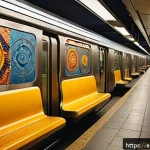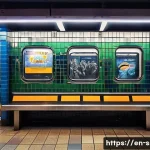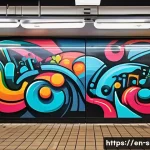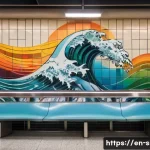
Subway systems are no longer just about getting from point A to point B—they’re evolving into vibrant public spaces where art and design play a crucial role.
From immersive murals to interactive installations, these underground environments are transforming daily commutes into inspiring experiences. Clever use of space not only enhances aesthetics but also improves passenger flow and safety.
As cities grow, integrating art with functionality in transit hubs becomes essential for creating welcoming and dynamic urban landscapes. Curious how this fusion of creativity and practicality shapes modern subways?
Let’s dive in and explore the fascinating world of subway art and space utilization!
Reimagining Transit Spaces Through Creative Design
Transforming Walls Into Storytelling Canvases
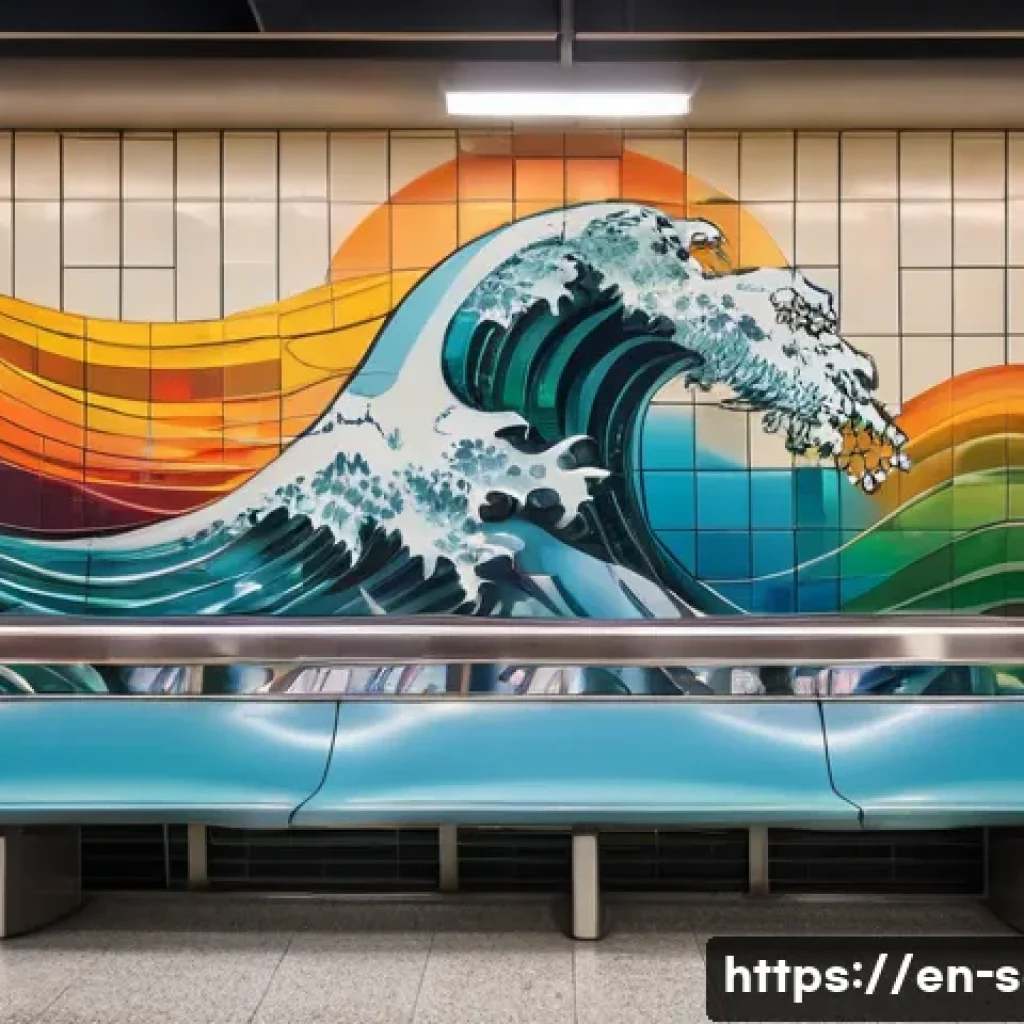
In many modern subway stations, plain concrete walls have given way to sprawling murals and visual narratives that tell stories unique to their city or neighborhood.
I’ve personally witnessed how a vivid mural can turn a dreary wait into a moment of reflection or joy. These artworks don’t just beautify; they often celebrate local culture, history, or environmental themes, making daily commutes feel more connected to the community.
Artists collaborate with transit authorities to produce pieces that resonate with riders, sparking conversations and sometimes even encouraging social media sharing, which in turn promotes the transit system itself.
Interactive Installations That Engage Riders
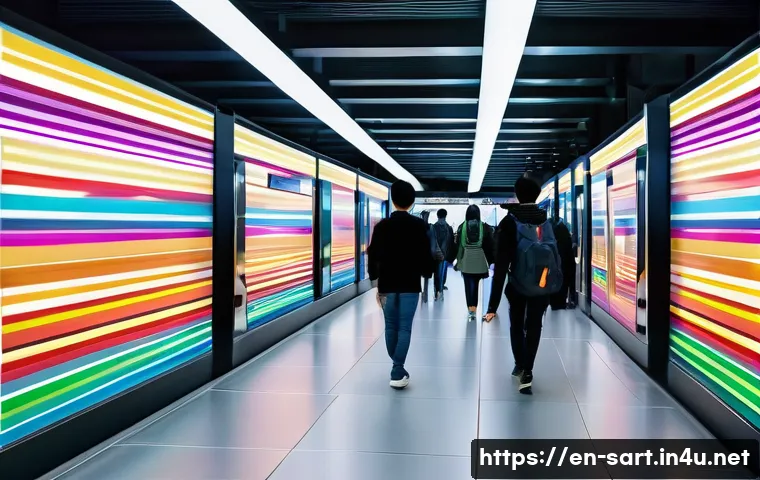
Beyond static art, interactive installations are popping up in stations worldwide. These might include light displays that react to movement, sound sculptures triggered by footsteps, or digital screens displaying ever-changing visuals.
From my experience, such installations can break the monotony of travel and invite passengers to pause, engage, or even play. They serve not only as entertainment but also as a wayfinding aid, subtly guiding crowds or signaling platform changes.
The dynamic nature of these pieces often draws repeat visitors and helps foster a sense of ownership and pride among locals.
Integrating Seating and Art for Functional Beauty
One of the cleverest trends I’ve noticed is the blending of seating areas with artistic elements. Benches shaped like waves, tree branches, or abstract forms add an unexpected twist to functional necessities.
Instead of just being a place to rest, these seats become part of the station’s narrative and design language. This approach encourages people to linger comfortably while appreciating their surroundings, ultimately enhancing the overall transit experience.
It’s a win-win: practical infrastructure that doubles as public art, making spaces feel less sterile and more inviting.
Optimizing Passenger Movement With Thoughtful Layouts
Designing for Smooth Flow During Peak Hours
Handling massive crowds efficiently is a huge challenge for any subway system, but smart spatial design can make a world of difference. From my observations, subtle architectural cues like curved walls, widened corridors, and strategically placed escalators help prevent bottlenecks.
Some stations even use color-coded pathways or floor patterns to direct foot traffic intuitively. The goal is to reduce confusion and stress, especially during rush hours when every second counts.
A well-thought-out flow can improve safety while also minimizing delays that frustrate riders.
Creating Safe Zones Without Compromising Space
Safety is paramount, and transit hubs are increasingly incorporating dedicated safe zones and waiting areas that don’t crowd the main thoroughfare. These spaces are often equipped with better lighting, clear signage, and sometimes even emergency call buttons or help desks.
From what I’ve experienced, when passengers feel secure, their overall satisfaction with the system rises dramatically. Moreover, safety-focused designs can include transparent barriers or open layouts that maintain visibility, deterring crime and promoting a sense of calm even in busy underground environments.
Balancing Commercial Needs with Passenger Convenience
Many subway stations now include retail kiosks, coffee stands, and convenience shops within their premises. While these amenities enhance rider convenience, they can also pose challenges for space management.
The key is to position commercial spots so they don’t obstruct main walking paths or emergency exits. In some stations I’ve visited, creative zoning allows passengers to browse or grab a quick snack without slowing down overall movement.
This balance not only benefits commuters but also generates vital revenue streams for transit authorities, making it a smart integration of commerce and functionality.
Technology Enhancing the Underground Experience
Smart Lighting and Environmental Controls
Modern subway stations are increasingly adopting intelligent lighting systems that adjust brightness based on time of day or passenger volume. From my experience standing in dimly lit platforms, I can attest to how well-calibrated lighting improves mood and perceived safety.
Environmental controls also manage ventilation and temperature, making underground travel more comfortable year-round. These tech upgrades not only save energy but also contribute to a more pleasant commute, reducing the fatigue and stress often associated with subway travel.
Digital Signage for Real-Time Information
Gone are the days of static schedules printed on paper. Today’s subway stations feature digital displays that provide live updates on train arrivals, delays, and alternative routes.
These systems often integrate with mobile apps, giving riders a seamless information flow. When I rely on these displays, I feel more empowered to make quick decisions, especially during service disruptions.
The transparency and accessibility of information reduce anxiety and improve the overall transit experience, turning the station into a hub of connectivity rather than just a waiting area.
Augmented Reality and Wayfinding Innovations
Some cutting-edge stations now experiment with augmented reality (AR) apps that help passengers navigate complex layouts using their smartphones. By overlaying directional arrows or points of interest onto live camera views, AR can simplify transfers and highlight amenities.
I tried one such app recently, and it transformed what would have been a confusing transfer into a straightforward, even enjoyable, stroll underground.
These tech-driven solutions demonstrate how combining digital tools with physical space design can revolutionize how we move through transit systems.
Subway Art’s Role in Community Identity and Inclusion
Celebrating Diversity Through Multicultural Themes
Subway art often serves as a mirror reflecting the diversity of the city it serves. In stations I’ve explored, murals and installations celebrate various ethnic backgrounds, languages, and traditions, fostering a sense of inclusion.
This representation can be particularly meaningful for marginalized communities, signaling that their stories matter and are part of the urban fabric.
Public art in transit spaces becomes a platform for dialogue, education, and mutual respect, subtly influencing social cohesion during everyday commutes.
Engaging Local Artists and Residents
Involving local artists and even residents in the creation process brings authenticity and relevance to subway art projects. Community workshops, open calls for design ideas, and collaborative installations ensure that the art resonates with actual users of the space.
I recall a station where neighborhood kids contributed hand-painted tiles incorporated into the final mosaic—a simple act that transformed a station into a beloved landmark.
Such participatory approaches boost pride and stewardship, encouraging riders to treat the space with care and respect.
Art as a Tool for Healing and Reflection
In some cities, subway art is deliberately designed to offer moments of calm and reflection amidst the urban rush. Soft colors, nature-inspired themes, and contemplative sculptures provide mental respite for weary commuters.
From my own experience, encountering a peaceful installation can shift my mindset from stress to serenity, even if just briefly. This therapeutic aspect of subway art underscores its deeper value beyond decoration—it can actively improve mental well-being in an often hectic environment.
Innovative Use of Space Beyond Transit Functions
Pop-Up Events and Cultural Programming
Many subway stations now serve as venues for temporary exhibitions, live performances, or community events. I’ve stumbled upon pop-up concerts or art fairs underground, which transform the station into a lively cultural hotspot.
These events encourage people to see the transit space not just as a passageway but as a destination. This multifunctional use boosts foot traffic and creates memorable experiences, forging stronger connections between the transit system and its riders.
Green Spaces and Biophilic Design Elements
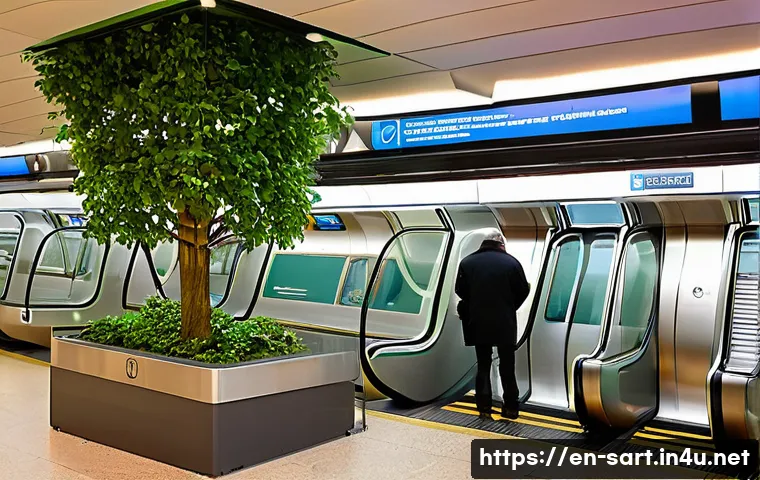
Introducing plants, vertical gardens, or natural materials into subway stations brings a touch of the outdoors underground. I’ve noticed that biophilic design not only enhances air quality but also reduces commuter stress.
The presence of greenery makes waiting areas feel less claustrophobic and more inviting. Stations with small parks or plant installations become urban oases that contrast the typical concrete and steel environment, promoting both environmental awareness and passenger comfort.
Flexible Infrastructure for Future Adaptation
Forward-thinking transit authorities design stations with flexibility in mind—spaces that can adapt to changing passenger needs or new technologies. Modular seating, movable walls, and expandable platforms allow for easy reconfiguration.
From what I’ve seen, this adaptability is crucial as cities grow and transit demands evolve. Investing in versatile infrastructure means stations remain relevant and functional, avoiding costly renovations down the line.
How Art and Design Impact Rider Experience and System Revenue
Enhancing Rider Satisfaction and Loyalty
Art and thoughtful design contribute significantly to how riders perceive their transit system. When stations are attractive, safe, and engaging, commuters tend to feel more positive about their journeys.
I’ve noticed that these improvements often translate into increased ridership and loyalty, as people prefer routes that offer a pleasant environment. This emotional connection can turn occasional riders into daily users, which benefits overall system sustainability.
Generating Revenue Through Sponsorship and Retail
Creative station designs open up new revenue opportunities beyond ticket sales. Transit authorities can partner with brands for art sponsorships or integrate commercial spaces that blend seamlessly with artistic elements.
From firsthand observation, stations that successfully marry commerce with aesthetics attract higher foot traffic and longer dwell times, which boost sales for retailers.
This symbiotic relationship supports transit funding while maintaining a high-quality passenger environment.
Measuring Success: Key Metrics and Outcomes
To understand the tangible benefits of integrating art and smart design, transit agencies track various performance indicators. These include passenger dwell time, retail revenue, incident reports, and customer satisfaction scores.
Based on case studies I’ve reviewed, stations with strong art and design components typically show improvements across these metrics, confirming the value of investing in creative transit spaces.
| Aspect | Benefits | Examples |
|---|---|---|
| Art Installations | Enhance aesthetics, cultural connection, rider engagement | Murals in New York’s 14th Street Station, interactive lights in Seoul Metro |
| Passenger Flow Design | Reduce congestion, improve safety, ease navigation | Curved corridors in London Underground, color-coded paths in Tokyo |
| Technology Integration | Real-time info, AR wayfinding, environmental comfort | Digital displays in Paris Metro, AR apps in Singapore |
| Community Involvement | Increase relevance, foster pride, promote inclusion | Local artist collaborations in Toronto, community murals in Berlin |
| Commercial and Cultural Use | Boost revenue, create vibrant spaces, attract visitors | Pop-up events in Madrid, retail kiosks in Chicago |
글을 마치며
Creative design and thoughtful integration of art in transit spaces not only enhance aesthetics but also improve rider experience and community connection. By blending functionality with culture and technology, subway stations become more than just transit points—they transform into vibrant, welcoming environments. These innovations encourage loyalty, safety, and enjoyment, making daily commutes something to look forward to. Embracing such approaches paves the way for smarter, more engaging urban mobility.
알아두면 쓸모 있는 정보
1. Incorporating local art in transit spaces can boost community pride and foster inclusivity, making riders feel represented and connected.
2. Smart design elements like widened corridors and color-coded pathways help ease passenger flow, especially during busy rush hours.
3. Interactive installations not only entertain but also assist with navigation and crowd management within stations.
4. Technology upgrades such as digital signage and AR wayfinding apps provide real-time information, reducing commuter stress.
5. Balancing commercial spaces with passenger convenience supports transit funding without compromising movement or safety.
중요 사항 정리
Effective transit space design requires a harmonious blend of art, technology, and functionality that prioritizes passenger comfort and safety. Engaging local communities in artistic projects enriches cultural relevance while fostering ownership and respect for the environment. Thoughtful layout planning and innovative tech applications streamline movement and communication, enhancing overall user satisfaction. Moreover, integrating commercial opportunities within these spaces can generate essential revenue, supporting sustainable transit development. Ultimately, reimagining transit hubs as dynamic, inclusive, and adaptable environments elevates both rider experience and system success.
Frequently Asked Questions (FAQ) 📖
Q: How does incorporating art in subway systems benefit daily commuters?
A: Integrating art into subway environments does more than just beautify the space—it creates a more engaging and uplifting atmosphere for commuters. From my own experience, stepping into a station adorned with vibrant murals or interactive installations instantly shifts the mood, making the daily grind feel less monotonous.
Art can reduce stress, spark curiosity, and even encourage social interaction among passengers. This emotional boost often translates into a more pleasant and memorable commute, which is especially valuable in bustling urban settings.
Q: In what ways does clever space utilization improve safety and passenger flow in subways?
A: Thoughtful design that optimizes space can significantly enhance both safety and efficiency underground. For instance, wide, well-lit corridors combined with clear signage help prevent overcrowding and confusion during peak hours.
From what I’ve observed, stations that use art to naturally guide foot traffic—like floor patterns or wall installations pointing toward exits—reduce bottlenecks and make navigation intuitive.
Additionally, open layouts and strategically placed seating areas minimize hazards and allow for quick evacuation if needed, making the commute safer overall.
Q: Why is it important for modern subway hubs to blend creativity with functionality?
A: Modern subway stations serve as more than just transit points; they’re gateways to the city’s culture and identity. Blending creativity with functionality ensures these spaces are both practical and inviting.
I’ve noticed that when design prioritizes only utility, stations can feel cold and unwelcoming. But when artistic elements are thoughtfully integrated—without sacrificing ease of movement or safety—it creates a dynamic environment that resonates with locals and visitors alike.
This balance not only enhances daily experiences but also helps build a stronger connection between the community and its public transit system.