Have you ever hurried through a bustling subway station, eyes glued to your phone, completely missing the vibrant world unfolding around you? I know I used to!
But let me tell you, there’s a quiet revolution happening beneath our cities, transforming drab commutes into inspiring journeys. It’s not just about getting from A to B anymore; our subway systems are becoming canvases and design showcases, blending art, architecture, and even a touch of green space to create truly remarkable public environments.
From stunning murals that tell local stories to innovative lighting and eco-friendly materials, the intentional design of these spaces is actually shifting our daily moods and enhancing our urban experiences in ways we might not even consciously realize.
I’ve been fascinated watching this trend grow, seeing how cities are investing in making these utilitarian spaces feel more human, more welcoming, and genuinely uplifting.
It’s more than just pretty pictures; it’s about creating a sense of community and pride right in the heart of our daily grind. Trust me, the impact on everything from passenger safety to local tourism is huge, and I’ve got some incredible insights and examples to share.
Let’s really dig deep into how this incredible blend of art and design is shaping our future commutes!
From Drab to Dreamy: The Aesthetic Revolution Underground
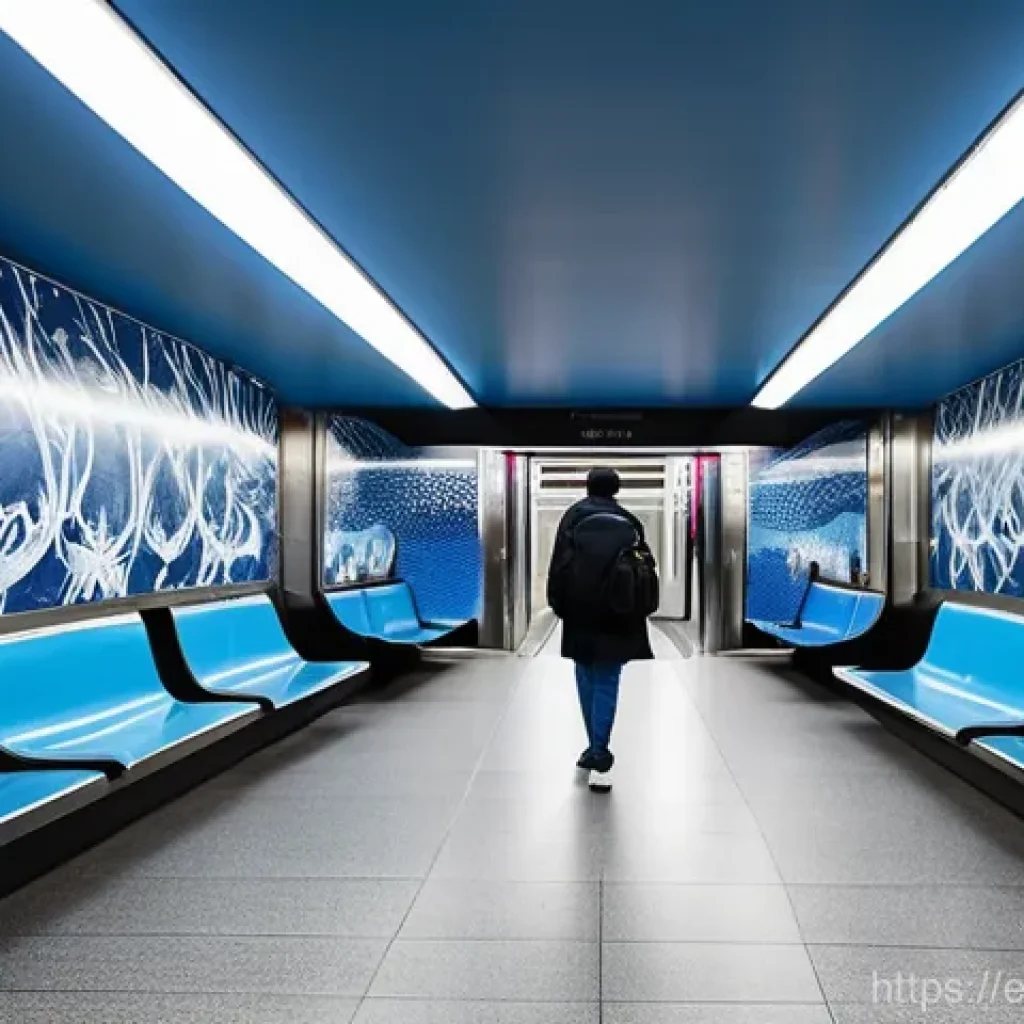
You know, I used to dread my daily commute. It felt like I was entering a sterile, grey void, just another face in the rush-hour crowd. But lately, I’ve been genuinely excited to step into certain subway stations, and I’ve realized why: cities are finally waking up to the power of design in these often-overlooked spaces. It’s no longer just about getting from point A to point B; it’s about the journey itself becoming an experience. I’ve personally seen how a vibrant mural or a thoughtfully designed lighting scheme can completely shift my mood, transforming a mundane wait into a moment of unexpected beauty. It feels like we’re moving past purely functional infrastructure and embracing these underground passages as canvases for public art and innovative architecture. This shift isn’t just cosmetic; it deeply impacts our perception of urban life, making our cities feel more livable and, dare I say, more inspiring. It’s a testament to the idea that beauty and utility don’t have to be mutually exclusive, and honestly, the impact on my own daily stress levels has been huge.
Beyond Walls: Murals, Mosaics, and Digital Displays
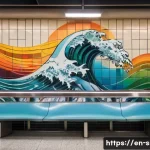
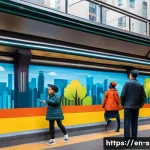
I’ve always been a firm believer that art can tell a city’s story better than any textbook, and nowhere is this more evident than in our subway systems. Take, for instance, the stunning mosaics in New York City’s 14th Street-Union Square station, or the incredible, ever-changing digital art installations you find in places like the PATH system in Jersey City. These aren’t just pretty pictures; they’re narratives woven into the very fabric of our daily lives, reflecting local history, cultural diversity, and even futuristic visions. I remember being utterly captivated by a series of vibrant murals in Toronto’s TTC, depicting the city’s diverse communities. It instantly sparked a connection, making me feel more at home in a bustling transit hub. It’s this kind of intentional artistic intervention that turns a simple wall into a conversation starter, making the wait feel shorter and the journey richer. It honestly feels like walking through an unexpected gallery every single day.
Illuminating the Experience: The Power of Light and Space
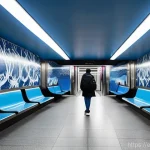
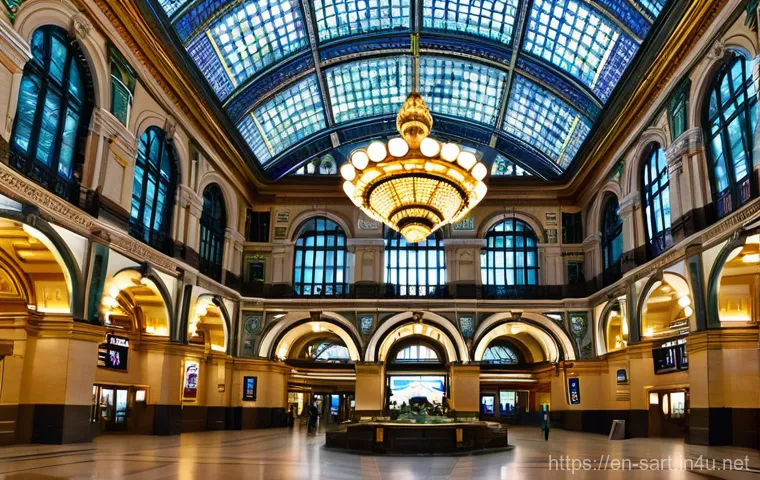
If you’ve ever been in a poorly lit, cramped subway station, you know the feeling of unease it can create. But on the flip side, I’ve noticed how revolutionary thoughtful lighting design can be. It’s not just about visibility; it’s about creating an atmosphere. Think of the breathtaking, cathedral-like vaulted ceilings and natural light pouring into stations like the Canary Wharf station in London, or the way architectural lighting sculpts the vast underground spaces in Stockholm. These designs play with light and shadow, making spaces feel larger, more inviting, and significantly safer. I’ve found that when a station feels bright and open, my entire demeanor changes; I feel more alert, less anxious, and more aware of my surroundings. It’s an often-underestimated aspect of design, but believe me, the right lighting can transform a dark tunnel into a genuinely uplifting public square, and that’s a feeling I truly appreciate.
The Psychology of the Commute: How Design Shapes Our Mood
It’s easy to dismiss a subway ride as a necessary evil, a period of lost time. But what if those moments could actually enhance your well-being? I’ve been fascinated by how intentional design choices in public transit spaces are subtly, yet powerfully, influencing our psychology. We’re talking about more than just aesthetics; it’s about crafting environments that reduce stress, promote safety, and even foster a sense of community. When I walk into a station that feels thoughtfully designed, with clear signage, comfortable seating, and a sense of visual order, I immediately feel a sense of calm. It’s a far cry from the chaotic, sensory overload that so many older stations used to induce. This isn’t just my personal feeling; it’s backed by a growing understanding of how our physical surroundings directly impact our mental state. Cities are investing in making these spaces feel less like a cage and more like a conduit to a better day, and as someone who spends a good chunk of my week commuting, I can tell you it makes a world of difference.
Creating Calm in the Chaos: Serene Spaces for Stressful Times
The daily rush can be incredibly stressful, and our commutes are often at the epicenter of that stress. But I’ve noticed a significant shift in how some subway systems are trying to mitigate this. They’re incorporating elements designed to soothe and calm, even amidst the hustle and bustle. Think about the subtle use of natural materials like wood or stone, or the inclusion of soft, diffused lighting that mimics daylight. Some stations, like those in Helsinki, even feature sound-absorbing panels to reduce the deafening roar of trains. I recently traveled through a refurbished station in Washington D.C. where the color palette was incredibly calming – muted blues and greens – and it instantly brought down my anxiety levels. It’s like these spaces are offering a micro-retreat, a brief moment of tranquility before you emerge back into the urban fray. This focus on sensory comfort is a game-changer for anyone who has ever felt overwhelmed by the urban environment.
Safety Through Beauty: Design as a Deterrent
It might sound counterintuitive, but I’ve learned that well-designed, visually appealing spaces can actually be safer. It’s not just about cameras and security guards; it’s about creating an environment that feels cared for and respected. When a station is bright, clean, and beautifully maintained, it sends a clear message that this is a public space valued by the community. Conversely, dark, neglected areas tend to attract undesirable activity. I’ve personally felt much more secure waiting on platforms that are well-lit, free of graffiti, and have clear sightlines. The intentional use of open spaces, vibrant art, and even interactive elements encourages more foot traffic and a sense of collective ownership, which inherently deters crime. It’s an incredibly smart approach to urban safety, proving that investing in aesthetics can have a very practical, positive outcome for everyone.
Green Transit: Weaving Nature into the Urban Fabric Below
You might think “underground” and “nature” are diametrically opposed, but I’ve been absolutely blown away by how some forward-thinking cities are integrating green elements into their subway systems. It’s a truly innovative approach to urban planning that addresses not just aesthetics but also environmental sustainability and public well-being. From lush vertical gardens that clean the air to stations powered by renewable energy, this isn’t just about pretty plants; it’s about creating genuinely eco-conscious transit hubs that contribute positively to the city’s ecological footprint. I recently read about a project in Germany where they’re exploring using moss walls in underground stations to absorb pollutants – how cool is that? It makes you realize that even in the most concrete-heavy environments, there’s always room for a breath of fresh air, literally and figuratively. This trend is a clear indicator that urban planners are thinking holistically about our future, and as an advocate for sustainability, I find it incredibly encouraging.
Eco-Friendly Materials and Sustainable Practices
The materials we build with have a huge impact, and it’s exciting to see subway developers prioritizing eco-friendly and sustainable options. This goes beyond just recycling during construction; it’s about choosing materials that are durable, non-toxic, and have a low carbon footprint. I’ve seen examples of stations using recycled steel, sustainably sourced wood, and even permeable surfaces that help manage stormwater runoff. In some European cities, new station designs incorporate natural ventilation systems, reducing the need for energy-intensive air conditioning. It’s a thoughtful approach that considers the entire lifecycle of the infrastructure, from construction to daily operation. As someone who tries to make conscious choices about my own consumption, seeing this level of commitment in large-scale public projects really makes me feel good about the direction our cities are heading.
Bringing the Outdoors In: Vertical Gardens and Natural Elements
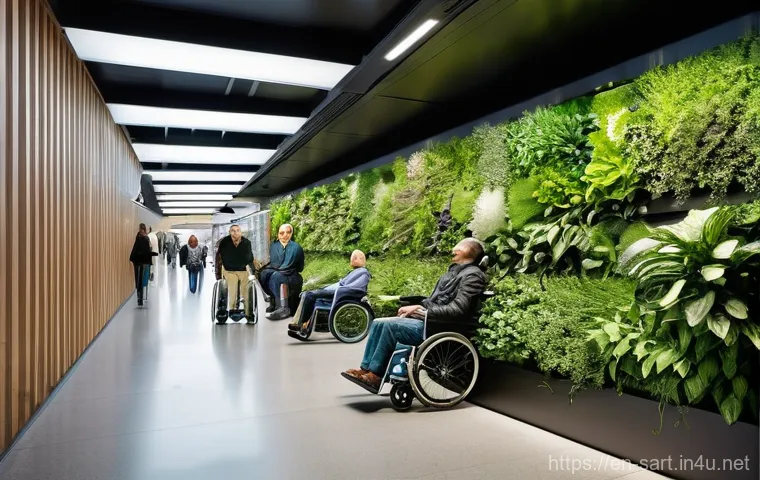
There’s something inherently calming about being surrounded by greenery, and the idea of bringing that into the often-stark underground world is brilliant. Vertical gardens, living walls, and even potted plants are appearing in more and more subway stations, transforming cold, hard surfaces into vibrant, breathing ecosystems. These aren’t just decorative; they actually improve air quality, reduce noise, and create a more pleasant sensory experience. I’ve personally felt a noticeable difference in the air quality and overall ambiance in stations that have incorporated these green elements. It’s a small touch that has a huge psychological impact, making these utilitarian spaces feel less industrial and more like extensions of our parks and public squares. It’s proof that a little bit of nature can go a long way in enhancing our urban experience, even when we’re meters below the bustling city streets.
More Than a Station: Subways as Cultural Anchors
Our subway systems are more than just transit points; they’re becoming vital cultural anchors, reflecting and enriching the communities they serve. I’ve always believed that a city’s soul can be found in its public spaces, and increasingly, the underground is proving this true. These stations are evolving into places where local identity is celebrated, where art is accessible to everyone, and where unexpected cultural experiences can unfold. It’s about taking a space that could be anonymous and infusing it with character and meaning, transforming it into a point of pride for residents and a fascinating discovery for visitors. I’ve personally witnessed how a well-curated art program or a public performance in a station can completely change the energy of the space, turning a simple wait into a shared cultural moment. This investment in making our subways cultural hubs really speaks to a broader vision of urban living, one where art and community are integrated into our everyday rhythm.
Storytelling Through Stone: Reflecting Local Identity
One of the most powerful aspects of subway design is its ability to tell the story of a place. I’ve been so impressed by stations that deeply integrate local history, geography, and culture into their very structure. Think of the beautiful tile work in Lisbon’s subway that depicts traditional Portuguese scenes, or the way ancient artifacts are incorporated into station designs in Rome. These aren’t just decorative additions; they’re deliberate choices that connect commuters to their surroundings and heritage. When I see artwork that reflects the neighborhood above, it creates a sense of belonging and familiarity. It’s a subtle but profound way to make millions of people feel more connected to their city every single day, turning a transient space into a reminder of local identity. It’s a wonderful way to keep the spirit of a neighborhood alive, even when you’re rushing through it.
Performance Art and Pop-Ups: Activating Public Spaces
Beyond permanent installations, I’ve seen a growing trend of subway stations becoming venues for temporary cultural experiences. From buskers playing soulful melodies to pop-up art exhibitions and even theatrical performances, these activations breathe incredible life into the underground. I still remember stumbling upon an impromptu jazz quartet in a London Underground station – it completely brightened my evening commute and made me feel connected to the vibrant pulse of the city. These unexpected moments of art and culture create a unique energy, fostering a sense of discovery and making the daily grind feel a little less, well, grind-like. It’s a fantastic way to democratize art, bringing it directly to millions of people who might not otherwise seek it out, and it genuinely enriches the urban experience.
The Economic Impact: Boosting Tourism and Local Pride
Beyond the aesthetic and psychological benefits, I’ve realized that investing in well-designed subway systems has a very tangible economic upside. These aren’t just expenses; they’re strategic investments that can significantly boost tourism, attract new businesses, and foster a deep sense of local pride. When a city’s transit system is not only efficient but also beautiful and engaging, it becomes an attraction in itself. Tourists are often looking for unique experiences, and a subway system filled with art and innovative design provides just that, offering unexpected photo opportunities and memorable moments. I’ve personally recommended visiting certain stations to friends traveling abroad, not just for transit but for the sheer visual spectacle. This creates a positive ripple effect, driving foot traffic to local businesses and enhancing the city’s overall image on the global stage. It’s clear to me that a well-designed subway system is a powerful, understated marketing tool for any major metropolis.
Photo Opportunities and Tourist Hotspots
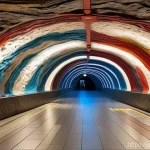
Let’s be honest, in today’s social media age, a beautiful backdrop is gold. And exquisitely designed subway stations have become unexpected tourist hotspots, attracting visitors keen to snap that perfect Instagram shot. Think of the “cathedral” stations in Moscow, the futuristic lines of the Dubai Metro, or the incredible T-Centralen station in Stockholm, which looks like a giant cave painting. These places aren’t just transit points; they’re destinations. I’ve seen countless travelers excitedly navigating these systems, not just to get somewhere, but to experience the art and architecture firsthand. This kind of organic, word-of-mouth marketing is invaluable for a city, drawing in visitors who might otherwise stick to more traditional attractions. It’s a testament to how design can transform even the most utilitarian spaces into something truly memorable and shareable, ultimately putting cities on the map for unique reasons.
Community Investment: A Catalyst for Urban Renewal
Beyond attracting tourists, beautifully designed subway stations signal a city’s commitment to its residents and infrastructure. This investment can act as a catalyst for broader urban renewal. When a neglected station is transformed into a vibrant, art-filled space, it often revitalizes the surrounding neighborhood. Property values can increase, new businesses are attracted, and a general sense of optimism pervades the area. I’ve seen this happen in several cities, where a focus on transit aesthetics has spurred further development and community engagement. It’s about creating a positive feedback loop: better transit leads to better neighborhoods, which in turn encourages more people to use and value the transit system. It truly underscores how a well-considered public transit project can serve as a cornerstone for holistic urban development and long-term economic health.
Innovation on the Rails: Future-Proofing Our Underground Worlds
The future of urban mobility isn’t just about faster trains; it’s about smarter, more adaptive, and more human-centered transit environments. I’m constantly amazed by the cutting-edge innovations being integrated into our subway systems, pushing the boundaries of what these underground worlds can be. We’re talking about everything from interactive digital screens that provide real-time information and local recommendations to stations designed with ultimate flexibility in mind, ready to adapt to future technological advancements. This forward-thinking approach isn’t just about convenience; it’s about making our transit systems resilient, efficient, and genuinely enjoyable for generations to come. I’ve personally experienced the ease of navigating a station with clear, dynamic digital wayfinding, and it makes such a difference in reducing travel stress. It feels like we’re moving towards a truly integrated urban experience, where our journey below ground is just as intelligent and connected as the world above.
Interactive Installations and Smart Station Tech
Imagine waiting for your train and being able to interact with a digital art piece, or easily find the best coffee shop near your destination using an intelligent kiosk. This is becoming a reality in many modern subway systems. Interactive installations, smart information displays, and even augmented reality experiences are turning passive waiting times into engaging moments. I’ve seen systems in Seoul that offer real-time health updates on passengers or display engaging visual content based on passing trains. These technologies aren’t just gimmicks; they enhance the user experience, provide valuable information, and make the commute feel more integrated into our digital lives. It truly feels like we’re stepping into the future, where our transit spaces are as smart and responsive as our personal devices. It makes the entire journey feel more connected and less isolated.
Accessibility and Inclusivity: Design for Everyone
A truly great subway system is one that serves everyone, regardless of their physical abilities or needs. I’ve been so heartened to see a strong emphasis on accessibility and inclusivity in new and renovated station designs. This goes beyond just elevators and ramps; it includes tactile paving for visually impaired passengers, clear audible announcements, universally designed ticketing machines, and even designated quiet zones for those with sensory sensitivities. In cities like Vancouver, their SkyTrain system integrates these elements seamlessly, making public transit genuinely accessible. I’ve personally observed how thoughtfully designed spaces can empower individuals, providing them with greater independence and dignity in their daily travels. It’s a powerful reminder that good design isn’t just about aesthetics; it’s about creating equitable spaces that truly uplift every member of the community.
| City/System | Key Design Philosophy/Features | Notable Examples/Impact |
|---|---|---|
| Stockholm Metro, Sweden | “World’s Longest Art Gallery” – Raw rock walls painted by various artists. | T-Centralen, Kungsträdgården, Rådhuset. Transforms underground into vibrant caves, reducing stress and boosting tourism. |
| London Underground, UK | Historic but continually modernized; emphasis on clarity, wayfinding, and classic design. | Canary Wharf (Norman Foster’s sleek design), Westminster (Brutalist architecture). Iconic roundel logo, enhances city identity. |
| New York City Subway, USA | Art-in-transit program (MTA Arts & Design) since 1985. | 14th Street-Union Square (Tom Otterness sculptures), 86th Street (Chuck Close mosaics). Integrates local history and culture for daily commuters. |
| Dubai Metro, UAE | Futuristic, sleek, and high-tech with luxury elements. | Union Square Station (shell-like ceiling), Khalid Bin Al Waleed Station (aquatic themes). Aims for a world-class, premium transit experience, attracting global visitors. |
| Moscow Metro, Russia | “Palaces for the People” – Ornate, opulent, and grand architectural styles. | Komsomolskaya, Mayakovskaya, Kiyevskaya. Historical and architectural marvels, significant tourist attractions, inspiring national pride. |
Wrapping Things Up
Honestly, diving deep into how our underground worlds are transforming has been an eye-opener for me, and I hope it has been for you too! It’s truly incredible to see how cities worldwide are rethinking these vital arteries, turning them into spaces that are not just about getting from A to B, but about enriching our daily lives. From stunning art installations to eco-conscious designs and smart tech, these underground revolutions are making our commutes more enjoyable, safer, and even inspiring. I truly believe that investing in these spaces is investing in the well-being and cultural vibrancy of our communities. It’s a testament to the idea that thoughtful design, even in the most unexpected places, can make a profound difference. Keep your eyes open on your next ride – you might just discover an urban masterpiece right beneath your feet!
Useful Info You’ll Want to Know
1. Dive Deeper with Local Guides: Many major cities with renowned subway art and architecture offer free (or low-cost) guided tours or self-guided maps. A quick search for “[City Name] subway art tour” can unveil some incredible experiences you might otherwise miss. It’s a fantastic way to explore a city’s hidden gems and learn about its history through a unique lens.
2. Go Beyond the Express: Often, the most artistically rich or historically significant stations are not necessarily on the express lines. Don’t be afraid to hop on a local train or make an extra stop to explore a station you’ve read about. Sometimes, the detours are where the real magic happens, offering a tranquil moment away from the main rush.
3. Timing is Everything: To truly appreciate the intricate details, vast spaces, or vibrant murals without the overwhelming crowds, try visiting during off-peak hours. Early mornings on weekends or mid-day on weekdays usually offer a more peaceful experience, allowing you to soak in the atmosphere and snap some fantastic photos.
4. Engage with the Tech: Modern subway systems are increasingly integrating interactive digital displays, smart maps, and even augmented reality experiences. Take a moment to interact with these features; they can offer fascinating insights into local attractions, real-time events, and even the history of the station itself, making your wait surprisingly engaging.
5. Look for the Green Initiatives: Keep an eye out for sustainable design elements like vertical gardens, natural ventilation, or recycled materials. Many cities are proud to highlight their eco-friendly efforts, and noticing these details not only educates you but also encourages broader appreciation for green urban planning. It’s inspiring to see how even subterranean spaces are contributing to a healthier planet.
Key Takeaways
The transformation of subway systems worldwide is far more than just a cosmetic upgrade; it’s a profound shift towards creating more humane, sustainable, and culturally rich urban environments. We’ve seen how intentional design, encompassing everything from intricate art installations to advanced lighting and green infrastructure, dramatically enhances the commuter experience, turning mundane journeys into moments of beauty and calm. This revolution also carries significant economic weight, boosting tourism and acting as a powerful catalyst for urban renewal and local pride. Ultimately, these innovations underscore a collective understanding that our public spaces, even those beneath our bustling cities, are integral to our well-being and the very identity of our communities. They are becoming vibrant cultural anchors, proving that thoughtful investment in aesthetics and functionality can truly future-proof our underground worlds for generations to come.
Frequently Asked Questions (FAQ) 📖
Q: Why are cities investing so much in making subway stations beautiful and artistic? Is it just for aesthetics, or is there a deeper purpose at play?
A: Oh, this is such a fantastic question, and one I’ve pondered myself countless times as I’ve zipped through various city tunnels! From what I’ve personally observed and researched, it’s definitely more than just making things “pretty.” While a visually stunning station is certainly a huge plus, cities are really tapping into something much more profound.
Think about it: a well-designed station, perhaps with captivating murals, clever lighting, or even a touch of greenery, can completely transform your mood.
I remember feeling so much more upbeat walking through a station in Europe that had these amazing, vibrant mosaics – it genuinely put a smile on my face for the rest of the day.
Cities are realizing that these utilitarian spaces are often the first and last impressions people have of a place, whether they’re commuters or tourists.
Investing in design actually boosts civic pride and makes residents feel more connected to their city. Beyond that, there’s a strong argument for safety and functionality.
Brighter, more thoughtfully laid out stations with clear wayfinding can reduce confusion and even deter crime by eliminating dark, isolated corners. It’s about creating welcoming, human-centric environments that make people feel secure and valued, rather than just cattle being herded from one point to another.
It’s a strategic investment in urban well-being and a city’s brand!
Q: You mentioned art and architecture. Can you give us some concrete examples of subway systems that are really knocking it out of the park with their innovative design?
A: Absolutely! This is one of my favorite parts of this whole trend – seeing the incredible creativity on display. While I haven’t been everywhere (yet!), I’ve been completely captivated by some truly standout examples.
The Stockholm Metro, often dubbed the “world’s longest art gallery,” is legendary. Imagine walking into a station and feeling like you’ve stepped into a massive, underground cave painted with breathtaking murals and sculptures.
It’s an experience, not just a commute. Then there’s the Moscow Metro, a true architectural marvel with its opulent chandeliers and ornate frescoes that feel more like palace ballrooms than transit hubs.
Closer to home for many, places like New York City’s Second Avenue Subway line have incorporated stunning, large-scale contemporary art installations right into their new stations, adding an unexpected touch of modern culture to the daily grind.
And let’s not forget how cities like London and Paris subtly weave their history and unique character into station designs, blending classic elements with modern efficiency.
It’s not always about grand gestures; sometimes it’s the clever use of materials, integrated lighting, or thoughtful seating that truly elevates the experience.
Every city has its own flavor, and it’s a joy to discover these hidden gems!
Q: Okay, so these stations look great, but how does improved subway design actually affect my daily commute and overall urban experience, beyond just being a nice view?
A: This is where the rubber meets the road, isn’t it? As someone who’s spent a fair bit of time on public transport, I can tell you firsthand that the impact is much deeper than just aesthetics.
For starters, better design often means better functionality. Think about it: clear, intuitive signage reduces the stress of figuring out where you’re going, especially in a new city or when you’re rushing.
More efficient station layouts mean less crowding and smoother passenger flow, which definitely helps shave precious minutes off your commute and makes the journey less frustrating.
But it goes beyond just getting from A to B. From my own daily observations, I’ve noticed that brighter, cleaner, and more open stations tend to feel safer.
When you’re not walking through a dingy, dimly lit tunnel, you naturally feel more at ease. The presence of art or even just a well-maintained, aesthetically pleasing environment can genuinely uplift your spirits.
It creates a sense of pride in your city and can even foster a stronger sense of community among commuters. I’ve personally found that when I’m in a well-designed space, I’m more inclined to be present, less stressed, and maybe even strike up a conversation.
Plus, these beautiful stations often become attractions in themselves, drawing tourists and boosting local businesses, which is a win-win for everyone!