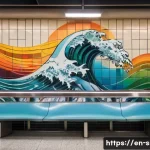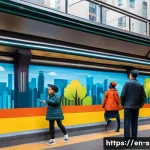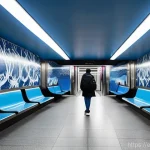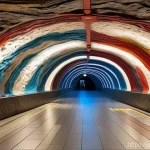
Hey there, fellow urban explorers and art aficionados! Ever noticed how some subway stations just hit different? It’s not just the hustle and bustle; sometimes, it’s a splash of unexpected beauty that transforms your daily commute from a mundane routine into a moment of pure magic.
I’ve always been fascinated by how public spaces, especially our bustling underground networks, are evolving into vibrant canvases that truly reflect the soul of a city.
We’re talking about more than just pretty pictures here; these installations are often carefully curated to influence our mood and well-being, whether we consciously realize it or not.
Think about it: the daily grind can be incredibly draining, and sometimes, a burst of color or an inspiring mural is exactly what we need to shift our perspective.
This isn’t just about aesthetics; it’s about the powerful, often subconscious, impact of color therapy and urban art on our psychological state. I’ve personally found that those moments of unexpected artistic encounters can genuinely brighten an otherwise gloomy day, making me feel more energized and optimistic as I head to work or home.
It’s a fascinating blend of urban planning, artistic expression, and human psychology, creating spaces that don’t just transport us physically, but emotionally too.
Beyond just making our commutes more bearable, these artistic interventions are becoming crucial for fostering community and creating a sense of shared experience in our increasingly digital world.
The future of our cities is undoubtedly going to be more vibrant, more interactive, and more thoughtfully designed with our well-being in mind. So, grab a coffee and settle in, because we’re about to explore how subway art and the magic of color therapy are revolutionizing our urban landscapes and making our daily journeys a whole lot more inspiring.
Let’s dive deeper into this fascinating topic and uncover how these creative expressions are shaping our collective urban experience.
Beyond the Commute: When Subway Stations Become Our Galleries
You know, for the longest time, a subway ride was just… a subway ride. A means to an end, a necessary evil in the urban sprawl. But lately, I’ve been noticing a shift, a beautiful evolution happening right beneath our feet. Our underground networks are transforming into something truly special – dynamic art spaces that do more than just transport us physically. They transport us emotionally, too! I’ve had some truly dreary mornings utterly brightened by an unexpected mosaic or a vibrant mural that just pops with life. It’s like finding a hidden gem in plain sight, and trust me, those moments are gold. This isn’t just about making things look pretty; it’s a deliberate, thoughtful effort to infuse our daily lives with a bit of wonder, proving that art isn’t confined to museums, but can thrive in the most unexpected, bustling corners of our cities. I remember one particularly stressful Tuesday, rushing to an early meeting, when I caught sight of a new installation at my local station – a stunning light piece that just made me pause. That tiny moment of awe was enough to reset my mood, making me realize the profound impact these spaces can have on our well-being.
The Unexpected Art Curator: Our Urban Transit Systems
Who would’ve thought that our daily commute would turn into a curated art experience? Yet, that’s exactly what’s happening. From grand, sweeping installations to intricate, hidden details, cities are investing in public art within their transit systems, turning utilitarian spaces into cultural landmarks. It’s a genius move, really. Think about the millions of eyeballs that pass through these stations every single day. That’s an unparalleled audience for artists, and an incredible opportunity for cities to showcase their creative spirit and commitment to enhancing the lives of their residents and visitors. When I travel, the subway art in a new city is often one of the first things I look out for. It tells you so much about the city’s personality and its priorities. It’s no longer just about getting from A to B; it’s about the journey itself becoming a part of the city’s narrative.
From Mundane to Magical: The Power of Place-Making
These artistic interventions are doing wonders for place-making, transforming forgotten or unloved corners of our urban landscape into vibrant hubs. It’s not just about adding a splash of color; it’s about creating a sense of identity, a feeling of belonging, and fostering civic pride. When a station becomes known for its incredible art, it transcends its functional purpose and becomes a destination in itself. I’ve seen people lingering, taking photos, and even organizing meet-ups around specific artworks. It builds community, encouraging interaction and shared appreciation in a way that plain concrete walls never could. It’s truly amazing to witness how a well-placed piece of art can spark conversation and bring people together, even in the midst of a busy transit hub.
Color Your Commute: The Psychology Behind Subway Hues
Have you ever noticed how certain colors just make you *feel* a certain way? It’s not just in our homes or clothes; it’s deeply embedded in our urban environments, especially in the art gracing our subway stations. This isn’t just random paint on the walls; urban planners and artists are increasingly tapping into the fascinating world of color psychology to subtly influence our moods and behaviors as we navigate the underground. I’ve personally experimented with this – paying attention to the colors in different stations. When I’m rushing through a station with lots of blues and greens, I genuinely feel a sense of calm wash over me, helping me shake off the stress of a crowded train. Conversely, a station with bright, energetic yellows or oranges often gives me that little jolt I need on a sluggish morning. It’s a testament to how our environment, even one as fleeting as a subway platform, can have a profound, almost therapeutic effect on our daily emotional landscape. It’s like a secret language that our subconscious understands, making our journeys more than just a commute, but a subtle experience in emotional regulation.
Blue and Green Dreams: Calming the Urban Storm
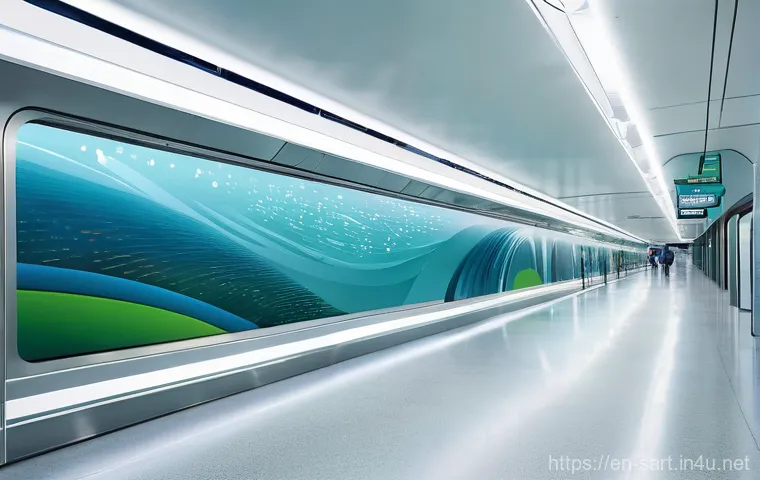
It’s no accident that many modern subway art installations feature calming blues and verdant greens. These colors are intrinsically linked to nature, evoking feelings of serenity, peace, and tranquility. In the often-stressful, fast-paced environment of a city subway, a burst of cool tones can be a welcome visual balm. I’ve found that stations incorporating these hues tend to feel less claustrophobic and more open, almost like a brief escape to a natural oasis amidst the concrete jungle. Architects and artists are intentionally using these colors to create a sense of spaciousness and reduce anxiety, providing a much-needed moment of calm before or after a hectic day. It’s like a mini-meditation session built right into your daily journey, a visual deep breath that truly makes a difference to your mental state.
Reds and Yellows: Injecting Energy and Optimism
While calm is good, sometimes we need a little kick, right? That’s where the power of warmer colors comes in. Stations featuring vibrant reds, sunny yellows, and cheerful oranges are designed to do just that – inject a dose of energy, optimism, and even a sense of playful excitement into our commutes. I always notice my spirits lift a little when I enter a station bathed in these warmer tones, especially on a grey, drizzly day. They can stimulate conversation, make a space feel more inviting, and even subtly speed up our perceived journey. It’s a clever way to counteract the often-monotonous rhythm of urban transit, transforming a dull waiting period into a moment of active engagement and positive stimulation. Artists use these colors to create focal points, guiding the eye and sparking interest, turning a utilitarian wall into a source of inspiration.
Iconic Undergrounds: Global Destinations for Art Lovers
When you start looking, you realize that some subway stations around the world aren’t just transit hubs; they’re bona fide art galleries, each telling a unique story about its city. It’s something I’ve personally cherished on my travels, always making a point to seek out the stations renowned for their artistic flair. From the intricate mosaics that tell historical tales to modern, interactive light displays, these stations have become destinations in themselves, drawing in tourists and making locals proud. I remember being absolutely mesmerized by the Moscow Metro, feeling like I’d stepped into a palace rather than a subway. Or the sheer joy of discovering a new, whimsical sculpture in Stockholm. These experiences aren’t just fleeting; they create lasting memories and truly shape your perception of a city. It’s a wonderful example of how public infrastructure can transcend its primary function and contribute significantly to a city’s cultural identity and appeal, offering a consistent stream of beauty in the everyday. These underground marvels offer a chance to pause and appreciate creativity, even when you’re on the go.
London Underground’s Creative Legacy
The London Underground, affectionately known as “the Tube,” isn’t just one of the oldest subway systems; it’s also a vibrant canvas for art. From the iconic roundel logo itself to the countless tile mosaics, historical posters, and contemporary commissions, art is deeply woven into its fabric. I’ve spent countless hours admiring the intricate tilework at stations like South Kensington or the more modern art installations at Canary Wharf. They’ve even got a “Art on the Underground” program that regularly commissions new works, ensuring a fresh supply of visual delights for commuters. It’s a fantastic way to honor their rich history while constantly innovating. It’s truly a testament to how a city can embrace and integrate art into the daily lives of its citizens, making every journey a potential encounter with beauty.
New York City’s Mosaic Masterpieces
Ah, the NYC subway! It might be gritty, but it’s also home to some truly spectacular art. The Metropolitan Transportation Authority’s “Arts & Design” program has been commissioning incredible works for decades, transforming stations into vibrant public spaces. I’m particularly fond of the mosaic work – artists like Elizabeth Murray at Broadway-Lafayette or the whimsical glass art at the new Second Avenue Subway stations. Each piece tells a story, reflects the neighborhood, or simply adds a much-needed splash of color to the often-monochromatic underground. Walking through these stations, you can’t help but feel a sense of connection to the city’s artistic pulse. It’s a constant reminder that even in the busiest, most utilitarian settings, there’s always room for creativity and beauty to flourish, impacting millions of lives daily.
| Subway System | Notable Artistic Feature | Impact/Experience |
|---|---|---|
| Stockholm Metro, Sweden | “World’s Longest Art Gallery” – over 90 of 100 stations feature art, from rock formations to mosaics. | Transforms stations into immersive, unique environments; offers a calming, often fantastical journey. |
| Moscow Metro, Russia | Ornate chandeliers, marble, frescoes, sculptures reminiscent of palaces. | Evokes grandeur and a sense of history, turning a commute into a cultural experience. |
| Montreal Metro, Canada | Each station designed by a different architect, often featuring integrated artworks and stained glass. | Unique character for each station, promoting civic pride and artistic diversity. |
| Naples Metro, Italy | “Art Stations” project with contemporary art installations by internationally renowned artists. | Modern and aesthetically striking, blending contemporary art with functional urban space. |
Art for the Soul: Beyond Just Pretty Pictures
It’s easy to dismiss subway art as just a decorative flourish, but I’ve come to realize it’s so much more profound than that. These installations serve a deeper purpose, actively contributing to our mental and emotional well-being. Think about the daily grind – the endless rush, the constant noise, the sheer volume of people. It can be utterly draining. But then, you step into a station and are greeted by a thoughtful mural or a captivating sculpture, and for a brief moment, your brain gets a much-needed break. It’s a pause, a moment of beauty that can genuinely shift your perspective and brighten your mood. I’ve personally experienced how these unexpected encounters can lift a gloomy disposition or even spark a creative thought that I hadn’t anticipated. It’s not just about aesthetics; it’s about providing a psychological respite in the heart of urban chaos, a true gift to the commuter.
Fostering Connection and Community
One of the most heartwarming aspects of urban art, especially in transit spaces, is its ability to foster a sense of community. When a striking piece of art is installed, it becomes a talking point, a shared experience for everyone who passes by. I’ve overheard countless conversations sparked by a new mural, with strangers connecting over their interpretations or simply their shared appreciation. It breaks down those invisible barriers we often put up in public spaces, encouraging interaction and a sense of collective ownership. This shared aesthetic experience can be incredibly powerful in building a stronger, more connected urban fabric, reminding us that we’re all part of something bigger than ourselves. It makes the anonymous city feel a little less lonely, a little more human.
Boosting Mood and Reducing Stress Levels
There’s real science behind how art and color can impact our mood, and cities are smart to leverage this in high-stress environments like subway stations. Exposure to aesthetically pleasing environments, especially those incorporating natural elements or harmonious colors, has been shown to reduce stress, lower anxiety, and even improve overall mood. I’ve definitely felt this firsthand. A particularly stressful morning can be significantly eased by encountering a serene blue-themed installation. It’s like a micro-dose of therapy, integrated seamlessly into your daily routine. These artistic interventions are not just about visual appeal; they are strategic investments in the mental health and well-being of the urban population, making our daily journeys a little less taxing and a lot more enriching.
Investing in the Underground: The Economic Ripple Effect of Subway Art
It might sound counterintuitive to think of art in a subway station as an economic driver, but hear me out – it absolutely is! Beyond just making our commutes more pleasant, these artistic endeavors bring tangible economic benefits to our cities. We’re talking about everything from increased tourism to enhanced local engagement and even a boost in property values around these aesthetically upgraded stations. When a city invests in beautiful public spaces, it’s not just an expense; it’s a shrewd investment in its brand, its livability, and its overall economic vitality. I’ve seen countless examples where a renowned art station becomes a point of interest on tourist maps, drawing visitors who then spend money in local shops, cafes, and restaurants. It creates a positive feedback loop that benefits everyone, from the local businesses to the city’s tax coffers. This is about building a better, more attractive city from the ground up, literally!
Driving Tourism and Local Engagement
Let’s be real: people love a good photo op, and a stunning subway station with unique art provides exactly that! I’ve personally planned parts of my travel itineraries around visiting specific “art stations” because they offer such a distinct cultural experience. This draws tourists deeper into the city, beyond just the usual landmarks, encouraging them to explore different neighborhoods and discover local gems they might otherwise miss. For locals, it cultivates a deeper sense of pride and ownership in their city, transforming their daily routine into something they can share and boast about. This increased foot traffic and engagement directly translates into more business for local shops, eateries, and cultural institutions, injecting vital funds into the community. It’s a fantastic way to turn an everyday utility into a vibrant, revenue-generating attraction.
Enhancing Property Values and Commercial Appeal
It’s no secret that beautiful surroundings add value, and that extends to subway stations too. When a transit station undergoes an artistic transformation, it often signals a broader commitment to urban renewal and quality of life in that area. This can significantly enhance the appeal of nearby commercial and residential properties. Businesses want to be where there’s foot traffic and a positive atmosphere, and residents are often willing to pay a premium for easy access to beautiful public spaces. I’ve observed firsthand how areas around aesthetically upgraded stations experience a revitalization, attracting new businesses and residents. It’s a subtle but powerful driver of urban development, proving that investing in art isn’t just about culture; it’s about smart urban planning that yields tangible economic returns and creates more desirable neighborhoods for everyone.
The Artist’s Palette: Crafting Meaningful Underground Experiences
Behind every breathtaking mural or intricate sculpture in a subway station, there’s an artist – or a team of artists – pouring their heart and soul into creating something meaningful for us. This isn’t just about throwing paint on a wall; it’s a deeply collaborative and thoughtful process that aims to connect with the commuter, to tell a story, or to simply bring a moment of joy. I’ve always been fascinated by the stories behind these installations, the inspirations that drive the artists, and the challenges they overcome to bring their visions to life in such unique environments. It’s a testament to the power of human creativity and resilience, transforming what could be a sterile, functional space into a vibrant testament to artistic expression. Knowing the human effort and passion behind these pieces makes me appreciate them even more as I rush through my day.
Collaborating with Local Talent
Many forward-thinking cities are prioritizing collaborations with local artists for their subway art projects, and I absolutely love this approach. It’s a brilliant way to showcase the unique cultural identity of a place and provide opportunities for emerging and established artists within the community. When I see an artwork created by a local artist, there’s an immediate sense of connection, a feeling that this piece truly belongs to the city and its people. It often reflects local history, landmarks, or the spirit of the neighborhood, creating a sense of authenticity that mass-produced art simply can’t achieve. This localized approach not only enriches the urban environment but also fosters a thriving local art scene, ensuring that the creative pulse of the city continues to beat strongly, supporting those who make our cities beautiful.
Integrating Art with Architecture
The most successful subway art installations are those that don’t just sit *on* a wall, but are seamlessly integrated *with* the architecture of the station itself. It’s about a holistic design approach where art and function blend harmoniously, creating a cohesive and immersive experience. This often requires close collaboration between artists, architects, and urban planners right from the initial design phase. I’ve always admired how some installations use the unique structural elements of a station – the curves of a tunnel, the height of a ceiling, or the flow of foot traffic – as integral parts of the artwork itself. This thoughtful integration elevates the art from a mere addition to an essential component of the space’s identity, making the station itself a work of art. It’s a much more powerful experience when the art feels like it was always meant to be there, not just an afterthought.
Your Daily Dose of Inspiration: Simple Ways to Engage with Subway Art
So, you might be thinking, “That’s great, but I’m usually just focused on not missing my train!” And I get it, believe me. Our commutes are often a race against the clock. But I want to encourage you to try something different, even if it’s just for a few extra seconds each day. Start looking around. Really look. You’ll be amazed at what you discover when you intentionally seek out the art in your daily journey. It’s not about becoming an art critic; it’s about allowing yourself those small, unexpected moments of beauty and reflection that can genuinely enrich your day. I’ve personally started building in an extra minute or two to my commute just to pause and appreciate a piece I’ve previously rushed past, and honestly, it’s become one of my favorite small rituals. It’s a free, accessible form of daily inspiration that’s just waiting to be noticed.
Look Up, Look Around: Beyond the Daily Grind
It’s so easy to keep our heads down, focused on our phones or just trying to navigate the crowds. But by simply shifting our gaze upwards and around, we can unlock a whole new dimension to our commute. Many of the most stunning art installations are on ceilings, high walls, or integrated into the very fabric of the station in ways you might not notice at first glance. Take a moment to really absorb the colors, the textures, the stories being told. Is there a pattern you haven’t noticed before? A hidden detail? Sometimes, just a fleeting glance is enough to spark a thought or lift your spirits. It’s about being present in your surroundings, even in the busiest of moments, and allowing the artistry to seep in. Trust me, once you start looking, you’ll see art everywhere, and your commute will never quite feel the same.
Share Your Discoveries: Building a Community of Art Lovers
One of the joys of discovering something beautiful is sharing it, right? If you spot a piece of subway art that really speaks to you, snap a quick photo (safely, of course!) and share it on your social media. Use relevant hashtags, tag your city’s transit authority, or simply share it with friends. You’d be surprised how many people are eager to connect over shared artistic appreciation. It’s a wonderful way to build a community of urban art lovers, spark conversations, and even encourage others to start looking for art in their own daily lives. Plus, it gives you a fun way to document your unique urban experiences and contribute to the growing appreciation for public art. Let’s make our feeds as vibrant and inspiring as our transformed subway stations!
My Final Thoughts
As we’ve journeyed through the vibrant world of subway art, it’s clear our daily commutes are evolving beyond mere transit. These underground galleries are more than just pretty pictures; they’re vital spaces that feed our souls, spark connection, and even drive economic growth. I genuinely believe that by simply opening our eyes, we can transform an ordinary trip into an extraordinary experience. It’s about finding beauty in the everyday, proving that art truly belongs to everyone, everywhere. So next time you’re waiting for your train, take a moment, look around, and let the art speak to you. You might just find your day getting a little brighter, just like mine often does. It’s a small shift in perspective that yields enormous personal rewards, enriching the fabric of our urban lives in ways we often overlook.
Dive Deeper: Quick Tips & Info
1. Discover Local Initiatives: Many major cities, like London with its “Art on the Underground” program or New York City’s MTA Arts & Design, have dedicated programs showcasing public art in their transit systems. A quick online search for “public art + [your city] + subway” can reveal incredible hidden gems and upcoming installations right in your backyard. I found a fantastic series of interactive digital art screens in my own city this way, and it’s become a new favorite part of my morning routine, offering a fresh dose of creativity before I even get to the office!
2. Plan an “Art Commute”: Why not turn a regular errand into a mini art tour? Check out the official transit or tourism websites for cities you’re visiting or even your own. They often highlight stations known for their art. I once spent an entire afternoon exploring the Stockholm Metro, which is essentially the world’s longest art gallery, and it was far more enriching than just getting around. It’s a unique way to experience a city’s culture that most tourists miss, offering a truly immersive journey through art and architecture.
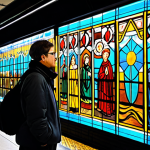
3. Look Beyond the Obvious: Not all subway art is a monumental sculpture or a giant mural. Sometimes, the most captivating pieces are subtle: intricate tile patterns, historical posters, or even thoughtfully designed light fixtures. Train your eye to spot these smaller details. I remember being so focused on a large mosaic once that I almost missed a series of exquisite stained-glass windows tucked away near an exit. These hidden treasures are often the most delightful discoveries, adding layers of charm and character to your daily travels.
4. Engage with Color Psychology: As we discussed, colors have a powerful impact on our mood. Next time you’re in a subway station, consciously observe the dominant colors and how they make you feel. Are the blues and greens calming you? Do the reds and yellows invigorate you? This isn’t just a fleeting observation; understanding this can help you appreciate the intentional design choices and even subtly influence your mood as you start or end your day. It’s like a mini-experiment you can run every single day, tuning into the subtle environmental cues around you.
5. Support Public Art: If you appreciate the art in your transit system, consider looking for ways to support public art initiatives in your community. This could be through local arts organizations, volunteering, or simply advocating for more public art funding. The more we value these spaces, the more cities will invest in transforming them, creating more beautiful, inspiring, and engaging environments for everyone. It’s a collective effort that makes our urban landscapes richer and more enjoyable, benefiting countless commuters and visitors.
Key Takeaways for Your Commute
To wrap things up, remember that the art gracing our subway stations is far more than mere decoration. It’s a powerful force for good, actively working to uplift our spirits, reduce the daily stress of urban living, and foster genuine connections within our communities. From vibrant murals that transform mundane waits into moments of inspiration, to thoughtful installations that contribute to the economic vitality and unique identity of our cities, these underground galleries are true treasures. They remind us that beauty and meaning can be found in the most unexpected places, making every commute an opportunity for a little discovery and a lot of delight. So, next time you swipe your card, take a moment to look up and truly experience the art around you – it’s a gift to your daily journey, a constant source of wonder in the urban landscape.
Frequently Asked Questions (FAQ) 📖
Q: How exactly does public art in subway stations improve our mental well-being and daily commute?
A: Oh, this is a question I absolutely love because I’ve experienced the positive effects firsthand! It’s really more than just “prettying up” a space; these artistic interventions are designed with deep psychological understanding.
When you’re rushing through a crowded subway station, your mind is usually on overdrive – deadlines, to-do lists, navigating the crowds. That constant mental demand can lead to what experts call “directed attention fatigue,” leaving you feeling drained and irritable.
But then, bam! You turn a corner and there’s a vibrant mural or a captivating sculpture. This unexpected encounter acts like a mini-reset button for your brain.
It pulls your attention in an involuntary, fascinating way, allowing your focused attention to rest and recover. I’ve noticed that even a quick glance at a striking piece of art can reduce my stress, make me feel more present, and frankly, just happier.
Studies have shown that public art can actually decrease stress hormones like cortisol and improve overall mood, providing a positive distraction from daily worries.
It transforms a utilitarian space into a moment of contemplation or discovery, making the commute feel less like a chore and more like a journey with delightful surprises.
Plus, these installations often create a sense of place and identity, strengthening community bonds and making us feel more connected to our city. It’s like the city is winking at you, reminding you there’s beauty even in the busiest moments.
Q: What are some of the latest trends in subway art, and how are cities incorporating them into their transit systems?
A: It’s an exciting time for urban art, especially in our underground networks! What I’m seeing lately is a move towards more interactive and community-focused installations, really pushing beyond static murals.
One super cool trend is the repurposing of vacant retail units within stations into art galleries or unique displays. For example, in New York City, the MTA’s Vacant Unit Activation Program has been transforming these unused spaces into quirky, engaging installations, like a dinosaur-themed bodega that just opened at Grand Army Plaza!
How cool is that? You step off the train and suddenly you’re in a whimsical, unexpected art piece. We’re also seeing a lot of “asphalt art” extending the canvas beyond walls and onto the floors and even roadways around stations, making the entire transit area an immersive experience.
These aren’t just aesthetic choices; some asphalt art projects have even been shown to improve traffic safety by encouraging slower driving and better pedestrian awareness.
Beyond that, there’s a strong emphasis on art that reflects local culture and identity, making commuters feel a deeper connection to their neighborhoods.
Cities like Hong Kong, Tokyo, and even London are embracing this by collaborating with local artists to create pieces that tell unique stories of their communities, turning mundane travel into a culturally enriching experience.
It’s truly about making the journey as engaging as the destination.
Q: How does color therapy play a role in these subway art installations, and can it really influence our emotions while commuting?
A: Absolutely! The power of color in public spaces is something I find incredibly fascinating, and yes, it definitely influences our emotions, often without us even realizing it.
Color therapy, or chromotherapy, is the idea that different colors can evoke different psychological and physiological responses. Think about it: a sterile, grey tunnel feels very different from a brightly lit, colorful passage.
Urban planners and artists are increasingly integrating this understanding into subway art to subtly guide our emotional experience. For instance, you might find vibrant blues and greens in areas meant to promote calm and reduce stress, like waiting areas.
I’ve noticed how certain stations with warm, inviting yellows or oranges can instantly uplift my mood, making me feel more optimistic and energized, even on a dreary morning.
Conversely, a station might use cooler tones in a high-traffic area to subtly encourage a sense of order and efficiency. The kinetic light sculptures that shift through a spectrum of colors, like some I’ve seen in newly designed stations, don’t just provide visual interest; they can create a dynamic, stimulating, yet soothing atmosphere, reflecting natural changes in light and mood throughout the day.
It’s all about creating an environment that doesn’t just transport you physically, but also nurtures your mind, making your daily dose of urban travel a little more pleasant, a little less stressful, and a lot more inspiring.