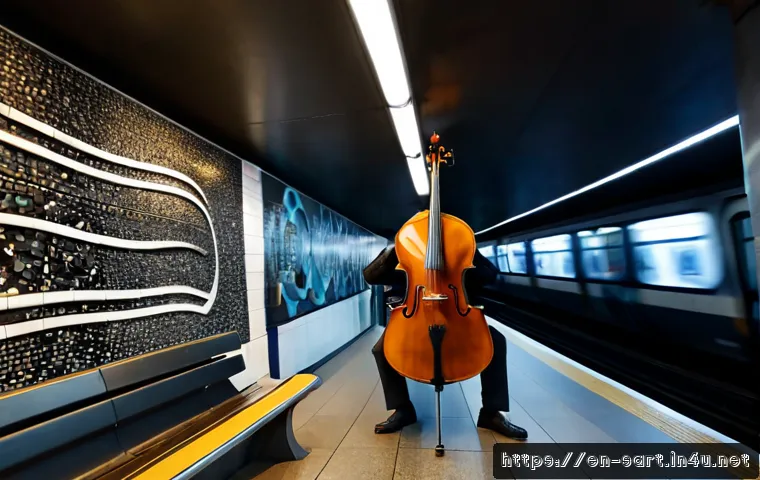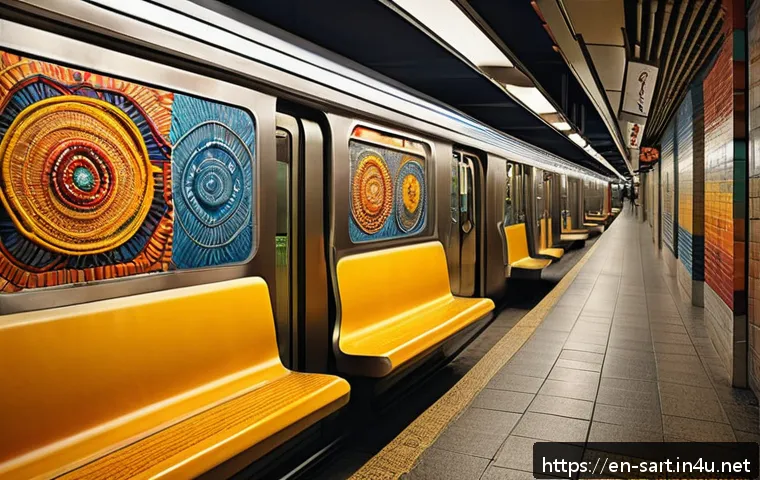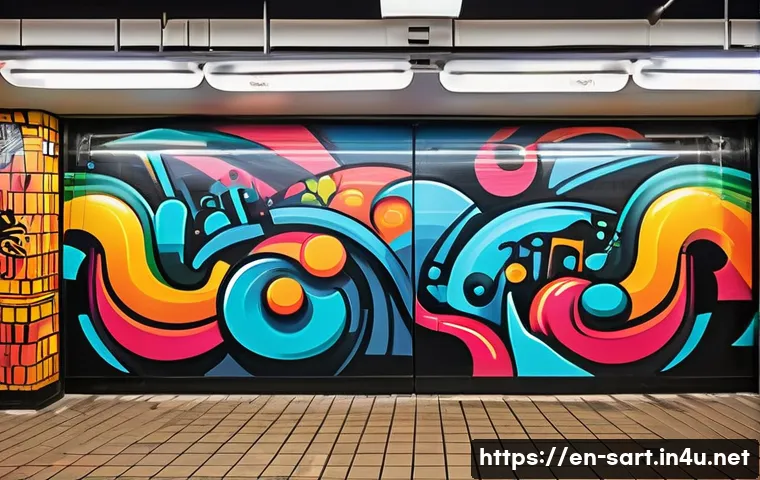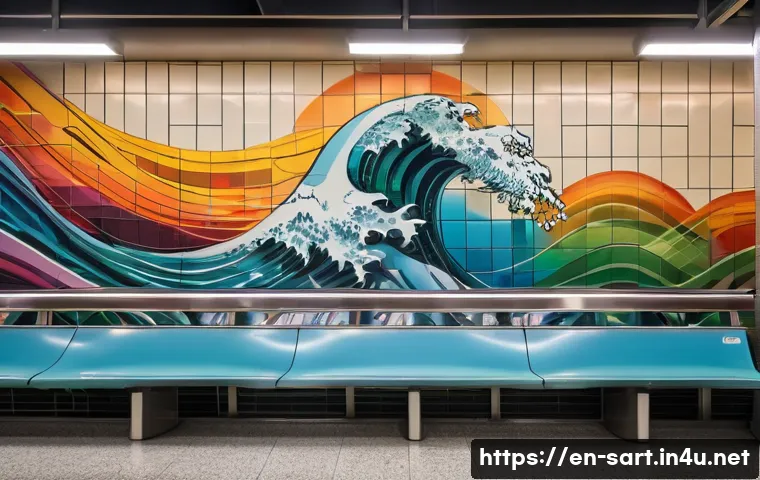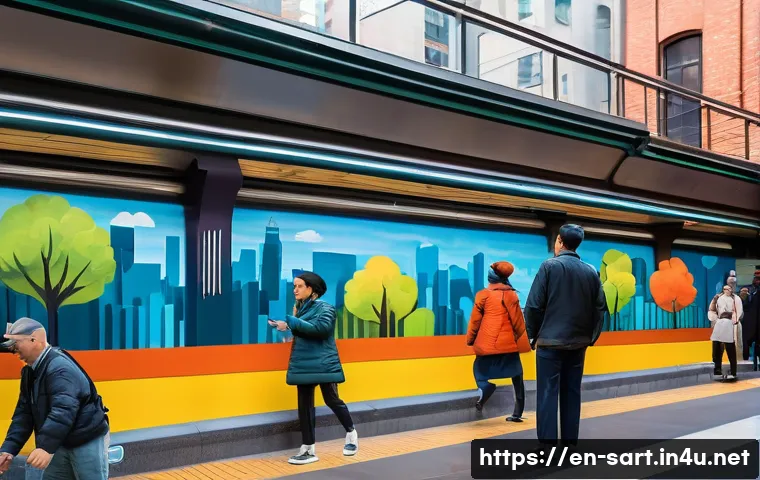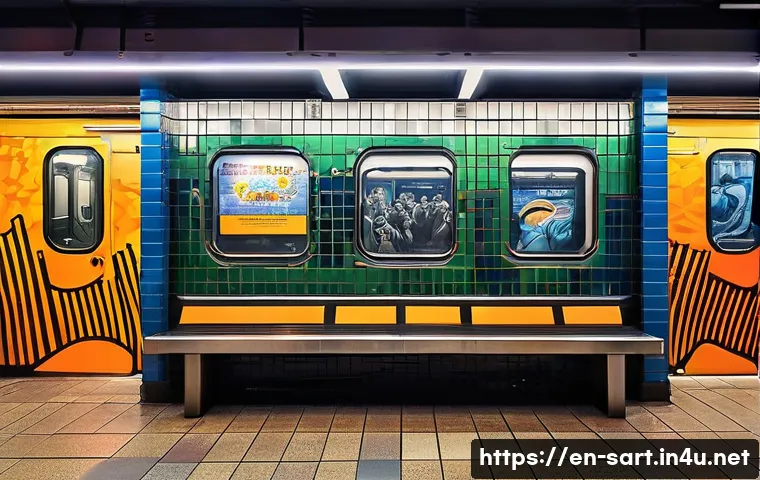
Exploring art in the subway is a unique way to brighten up your daily commute or weekend adventure. Many cities now transform their transit spaces into open galleries, showcasing vibrant murals, sculptures, and interactive installations.
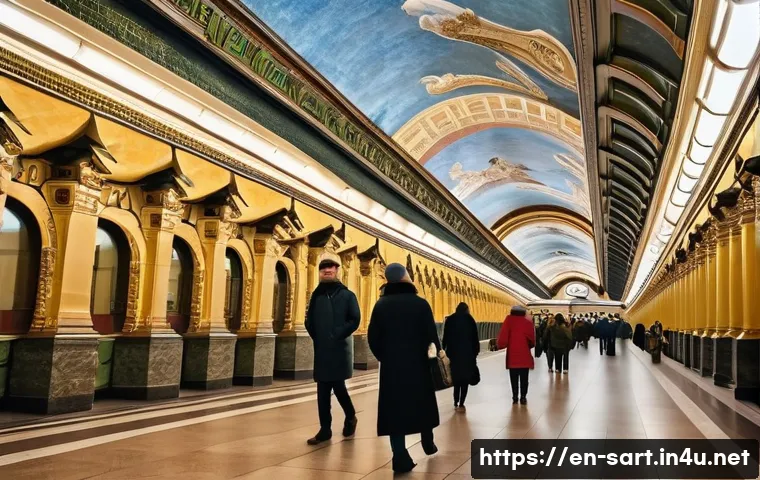
This blend of creativity and public space offers a fresh perspective on urban life and culture. Whether you’re an art enthusiast or just curious, discovering these hidden gems can turn an ordinary ride into an inspiring journey.
Ready to dive into practical tips for making the most of subway art tours? Let’s get into the details below!
Finding the Best Subway Art Spots in Your City
Research Local Transit Art Programs
Before you hop on the train, it’s smart to dig a little into what your city offers in terms of subway art. Many major cities have dedicated programs that commission artists to create permanent or rotating displays.
Checking the transit authority’s website or local arts council pages can reveal maps, artist bios, and even suggested routes. For example, New York’s MTA Arts & Design program highlights dozens of murals and sculptures throughout its system, while cities like Stockholm and Moscow boast stations that are practically underground museums.
Knowing where these artworks are clustered saves you time and guarantees you won’t miss standout pieces.
Use Apps and Online Guides for Navigation
In today’s digital age, leveraging apps designed for urban exploration can elevate your subway art experience. Apps like “Subway Art” or city-specific transit apps sometimes feature art stops alongside train schedules, making it easier to plan your visit.
Additionally, Google Maps often includes photos and reviews of notable stations, helping you decide which ones to prioritize. I personally found that using these tools made my subway art tour feel more like a treasure hunt rather than just a commute.
Plus, some apps allow you to save favorite spots, so you can revisit them or share with friends later.
Plan Off-Peak Visits for a Relaxed Experience
If you want to truly appreciate the art without the crush of rush-hour crowds, aim for off-peak times. Mid-mornings, early afternoons, or weekend mornings usually have fewer passengers, allowing you to linger and absorb details without feeling rushed.
During these quieter moments, you can also snap better photos and sometimes interact with temporary installations or artists if they’re present. I remember one Sunday morning when I had an entire platform mural all to myself — it felt like a private gallery opening underground.
Engaging with Subway Art Beyond Just Viewing
Participate in Interactive Installations
Some subway art goes beyond static displays and invites commuters to engage directly. Interactive pieces might include touch-sensitive murals, sound installations triggered by movement, or digital displays that change based on your input.
These experiences transform the usual solitary commute into a playful moment. One time, I encountered a station where stepping on certain tiles played musical notes, turning the platform floor into an impromptu piano.
Engaging with art this way makes the experience memorable and personal.
Learn the Stories Behind the Artworks
Understanding the background of a piece adds layers of meaning and enriches your appreciation. Many transit art projects come with plaques or QR codes that link to interviews with the artists or explanations of the theme.
Knowing why an artist chose a particular subject or technique can connect you emotionally to the work. For instance, some murals tell stories of the neighborhood’s cultural heritage or social struggles, turning everyday spaces into powerful storytelling venues.
I’ve found that pausing to read these stories often sparks reflection and even conversations with fellow commuters.
Join Guided Tours or Community Events
If you want a more structured approach, consider joining a guided subway art tour. Many cities offer monthly or seasonal walks led by art historians or local artists who provide insider knowledge and anecdotes that you won’t find on your own.
Community events often coincide with new installations or anniversaries, featuring artist talks, live performances, or workshops. Participating in these events not only deepens your understanding but also connects you with others who share your interest in urban creativity.
Capturing and Sharing Your Subway Art Experience
Tips for Taking Great Photos Underground
Subway lighting can be tricky for photography — often dim, harsh, or mixed in color temperature. To get the best shots, I recommend using a camera or smartphone with good low-light capabilities and experimenting with different angles to avoid glare from fluorescent bulbs.
Don’t hesitate to get close to details or capture reflections on glass or polished surfaces for artistic effects. Editing apps can also help balance colors and highlight textures afterward.
Sharing your photos online can inspire others to explore subway art too.
Creating a Social Media Story or Blog Post
Once you’ve collected your photos and impressions, putting them together into a story can be rewarding. Whether it’s an Instagram carousel with captions explaining each artwork or a detailed blog post with your favorite discoveries, sharing your journey invites interaction and feedback.
Writing about how certain pieces made you feel or connecting art to your city’s culture adds authenticity. Plus, consistent content about subway art can grow your audience and even attract sponsorships or partnerships with local arts organizations.
Respecting the Space and Other Commuters
While capturing and engaging with subway art, remember that you’re in a public transit environment. Avoid blocking doorways, escalators, or busy pathways when stopping to admire or photograph artworks.
Being mindful of other passengers’ space and schedules ensures everyone has a pleasant experience. Also, never touch or tamper with art installations unless explicitly allowed.
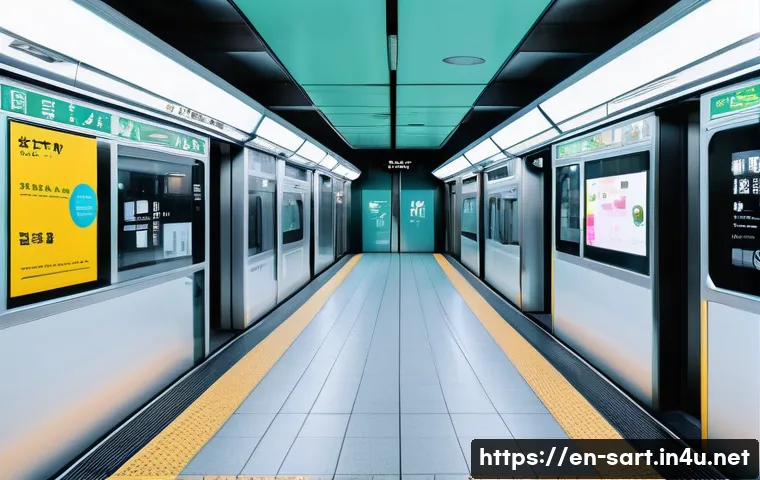
I’ve seen how respectful behavior encourages transit authorities to continue investing in public art, so your attitude makes a difference.
Understanding the Impact of Subway Art on Urban Communities
Enhancing Daily Commutes with Color and Story
Subway art transforms dull, utilitarian stations into vibrant spaces that uplift moods and spark curiosity. Commuters often tell me that encountering a striking mural or sculpture brightens their day and offers a welcome mental break from routine.
This infusion of creativity can reduce stress and even foster a sense of pride in one’s city. It’s like having a mini art gallery on your way to work or school, making the mundane extraordinary.
Promoting Local Artists and Cultural Identity
Many transit art programs prioritize showcasing local talent and themes that reflect the neighborhood’s unique history or demographics. This not only provides artists with a high-visibility platform but also helps preserve cultural narratives in public memory.
When you explore subway art, you’re often witnessing a dialogue between the city and its residents. This kind of community engagement strengthens social bonds and encourages support for the arts beyond traditional venues.
Encouraging Tourism and Economic Growth
Cities with notable subway art often attract visitors who might otherwise bypass public transit or lesser-known neighborhoods. This influx can boost local businesses like cafes, bookstores, and galleries near art-rich stations.
In my experience visiting cities with artful transit systems, I found that exploring these areas led to unexpected discoveries — quirky shops, street performers, and vibrant street food markets.
Subway art acts as a magnet, inviting both locals and tourists to engage more deeply with the urban environment.
Planning Your Subway Art Tour: Essentials to Bring Along
Comfortable Footwear and Weather-Appropriate Clothing
Subway art tours often involve a fair amount of walking between stations or standing on platforms to fully appreciate the installations. Wearing comfortable shoes is a must, especially if you plan to explore multiple lines or neighborhoods.
Depending on the season, layering your clothes is wise since subway stations can be chilly underground but warm near entrances. I always carry a lightweight jacket and a small backpack to stay prepared for sudden weather changes or long walks.
Portable Phone Charger and Data Access
Since you’ll likely be using apps for navigation, photography, and information, having a fully charged phone and possibly a portable charger is essential.
Some subway systems have spotty cellular coverage, so downloading offline maps or guides beforehand can save you from frustration. Staying connected also allows you to share your experiences in real time, ask for recommendations, or coordinate meetups with fellow art lovers.
Notebook or Voice Recorder for Notes and Impressions
If you’re someone who likes to document your thoughts or jot down details about artists and artworks, bringing a small notebook or using a voice memo app can be invaluable.
Capturing immediate reactions or ideas helps deepen your engagement and provides material for later reflection or content creation. I’ve found that reviewing these notes afterward often sparks new insights or inspiration for creative projects.
Comparing Subway Art Programs in Major Cities
| City | Art Style | Number of Art Installations | Notable Features | Best Time to Visit |
|---|---|---|---|---|
| New York | Mural, Sculpture, Mixed Media | 100+ | Rotating exhibitions, artist plaques | Mid-morning weekdays |
| Stockholm | Classic and Contemporary Murals | 90+ | Deep cultural themes, historic stations | Weekend mornings |
| Moscow | Mosaic, Reliefs, Monumental Art | 150+ | Architectural grandeur, storytelling | Afternoon off-peak |
| London | Street Art, Digital Installations | 50+ | Interactive pieces, urban commentary | Early afternoon |
| Tokyo | Minimalist, Abstract, Pop Art | 40+ | Technology integration, vibrant colors | Weekday evenings |
Wrapping Up
Exploring subway art is a unique way to connect with your city’s culture and creativity. Whether you’re a local or a visitor, taking the time to discover these hidden gems can turn a routine commute into an inspiring adventure. With a bit of planning and curiosity, you’ll find that underground art adds color and stories to everyday life, enriching your urban experience.
Handy Tips to Remember
1. Research your city’s transit art programs online before you go to know the best spots and their stories.
2. Use dedicated apps or offline maps to navigate easily and save your favorite artworks.
3. Visit during off-peak hours for a more relaxed and immersive experience.
4. Bring comfortable shoes and weather-appropriate clothing since you’ll be walking and standing a lot.
5. Always be respectful of other commuters and the art installations to keep the space welcoming for everyone.
Key Takeaways
Subway art transforms public transit into vibrant cultural spaces that uplift daily commutes and foster community pride. Engaging with these artworks—whether through guided tours, interactive pieces, or personal exploration—deepens your connection to the city’s identity. Planning ahead, respecting the environment, and capturing your experiences thoughtfully can maximize both your enjoyment and the impact of subway art on urban life.
Frequently Asked Questions (FAQ) 📖
Q: How can I find subway stations that feature art installations?
A: Many cities with subway art programs provide maps or guides online highlighting stations with notable artworks. Checking the official transit authority’s website or tourism pages is a great start.
Also, local art blogs or social media groups often share up-to-date tips and hidden gems. When I explored New York City’s subway art, I found that downloading a dedicated app helped me plan my route efficiently and discover lesser-known pieces off the beaten path.
Q: Is it safe to spend extra time admiring art in subway stations?
A: Generally, major subway stations with art installations are safe during regular operating hours, especially in well-trafficked areas. However, I always recommend staying aware of your surroundings and keeping your belongings secure.
Visiting during daylight or peak hours enhances safety and lets you enjoy the art without feeling rushed. If you’re new to a city, it’s wise to go with a friend or join a guided tour for added comfort.
Q: What’s the best way to appreciate subway art if I’m short on time?
A: If you’re pressed for time, focus on a few key stations known for their standout pieces rather than trying to see everything. Prioritize artworks that resonate with your personal interests—whether it’s murals, sculptures, or interactive displays.
I’ve found that even a quick stroll through a single beautifully decorated station can brighten my day and offer a fresh perspective on urban culture.
Plus, taking photos or jotting down artists’ names lets you revisit and explore more later.