Lately, the vibrant energy of urban spaces has sparked a renewed fascination with how contemporary street art intertwines with age-old craftsmanship. As cities evolve, this fusion creates a unique dialogue between modern expression and cultural heritage, inviting us to rethink the way we experience public art.
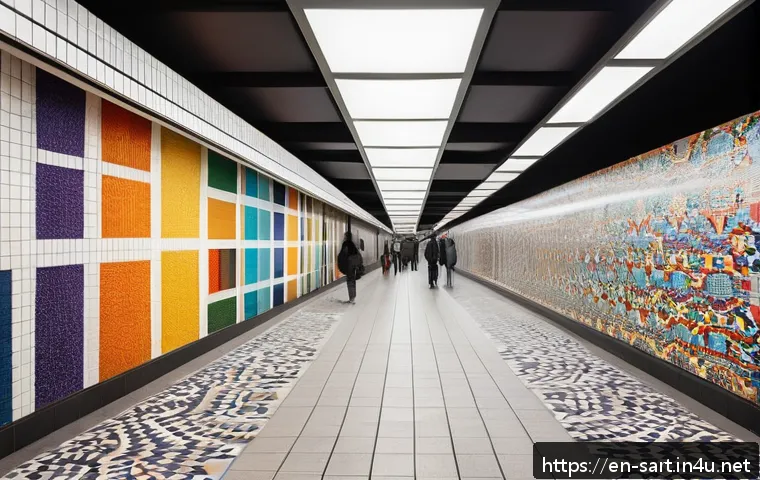
Whether you’re a casual observer or a passionate art lover, diving into this blend reveals stories that connect generations. Join me as we explore how subway art breathes new life into traditional techniques, transforming everyday commutes into immersive cultural journeys.
This journey promises fresh insights that will change the way you see the art around you.
The Revival of Craftsmanship in Urban Transit Art
Rediscovering Handcrafted Roots in a Digital Age
In the midst of flashy digital billboards and quick viral trends, there’s a surprising resurgence of traditional handcraft techniques making their way onto subway walls and station platforms.
Unlike mass-produced visuals, these artworks carry the unmistakable imprint of human touch—whether it’s meticulous brush strokes, delicate embroidery-inspired patterns, or mosaic tiling.
What’s fascinating is how artists are deliberately revisiting these methods, blending them with modern street art aesthetics to create something genuinely fresh.
It’s like watching a skilled artisan’s patience meet the spontaneous energy of the city, resulting in pieces that feel both timeless and alive.
Materials and Methods: Craft Meets Concrete
One of the most exciting aspects is how traditional materials are adapted for the urban environment. For instance, natural pigments once reserved for canvas or pottery now find new life in spray paints formulated for longevity on concrete surfaces.
Some artists even incorporate handcrafted tiles or woven elements directly into station architecture, transforming functional spaces into immersive galleries.
This tactile connection to history not only enriches the visual experience but also invites commuters to engage with the art on a deeper, almost tangible level.
Having seen a mural where hand-stitched textile patterns were recreated using paint, I can say it profoundly changes how you appreciate the effort behind the work.
Preserving Heritage Through Modern Narratives
These pieces don’t just celebrate craftsmanship for its own sake—they often tell stories rooted in cultural heritage that resonate with contemporary urban life.
The juxtaposition of old and new techniques allows artists to highlight traditions that might otherwise be overlooked. For example, a mural might integrate indigenous weaving motifs with scenes from today’s city hustle, creating a dialogue between past and present.
This narrative layering enriches the commuter’s journey, transforming what’s usually a routine trip into a moment of reflection and connection. It’s an unexpected reminder that even in the busiest cities, history and craftsmanship still have a vital role to play.
Innovative Techniques Bridging Past and Present
Fusing Analog Skills with Digital Tools
While traditional craftsmanship emphasizes hands-on skill, many artists now combine these with cutting-edge technology to push creative boundaries. Digital sketching apps allow for intricate planning of murals that incorporate classic patterns, while projection mapping can animate static craft-inspired designs, bringing them to life after dark.
This hybrid approach not only preserves the essence of age-old techniques but also makes them accessible and engaging for a tech-savvy audience. From what I’ve observed, this blend often sparks a sense of wonder among passersby who might not expect to see such detailed craftsmanship paired with high-tech visuals in a subway setting.
Collaborative Workshops and Community Involvement
Some urban art projects take this fusion a step further by involving local artisans and residents in the creative process. Workshops where commuters can learn traditional crafts while contributing to mural creation foster a genuine sense of ownership and pride.
It’s incredible to witness strangers bonding over shared cultural heritage, all while enhancing their city’s visual landscape. These collaborative efforts blur the line between artist and audience, making art a participatory experience rather than just a passive backdrop.
Personally, joining a tile-making workshop linked to a subway mural project left me feeling connected not just to the art but to the people and history behind it.
Durability Meets Authenticity
Balancing the delicate nature of traditional crafts with the harsh subway environment is no small feat. Artists and engineers collaborate to select materials that can withstand wear, moisture, and vandalism without compromising the authenticity of the technique.
Innovations like weather-resistant varnishes and reinforced substrates mean that handcrafted elements can endure daily urban challenges. This technical ingenuity ensures these artworks don’t just look good on opening day but remain vibrant and meaningful for years.
It’s a testament to the dedication behind these projects, showing that honoring craftsmanship also means respecting its longevity in a modern context.
Transforming Daily Commutes Into Cultural Experiences
Visual Storytelling That Captivates
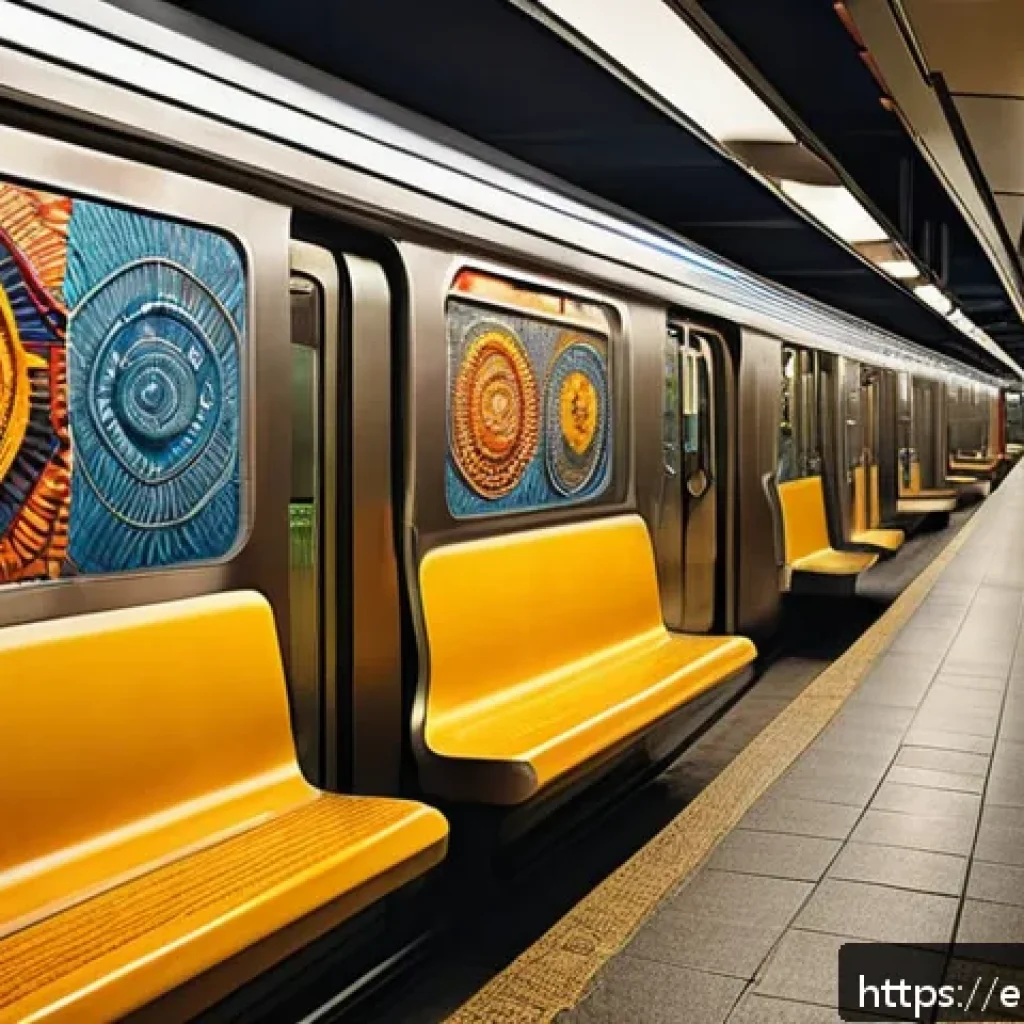
Imagine stepping onto a subway platform and being greeted not by bland walls but by vivid scenes that narrate local legends or community histories through a mix of hand-painted murals and craft-inspired textures.
This kind of storytelling transforms mundane routines into moments of discovery. From my experience, encountering these artworks can turn a stressful commute into a mini cultural excursion, sparking curiosity or even prompting conversations among strangers.
The emotional impact of seeing familiar craftsmanship reinterpreted in a public space can be surprisingly uplifting, providing a sense of place and continuity amid the urban rush.
Interactive Elements and Sensory Engagement
Beyond the visual, some installations incorporate tactile components or augmented reality features that invite commuters to interact. Raised patterns mimic embroidery stitches, inviting touch, while smartphone apps can reveal hidden layers of meaning behind the art.
These multisensory experiences deepen engagement, turning passive observation into active participation. I remember a station where the combination of textured wall art and an AR tour created a playful yet educational vibe that appealed to all ages.
It’s this kind of immersive design that makes public art feel personal and memorable rather than just decorative.
Encouraging Reflection and Cultural Pride
When urban transit art embraces traditional craftsmanship, it often evokes a strong sense of identity and pride within the community. Commuters who recognize their cultural heritage reflected in the artwork feel seen and valued, which can be empowering in diverse cities.
This connection fosters respect for both the past and the present, encouraging people to slow down and appreciate the rich layers of their environment.
I’ve noticed that these projects can spark dialogues about preservation and innovation, inspiring others to explore and celebrate their own cultural roots through creative means.
Challenges and Triumphs in Merging Old and New
Balancing Artistic Vision with Practical Constraints
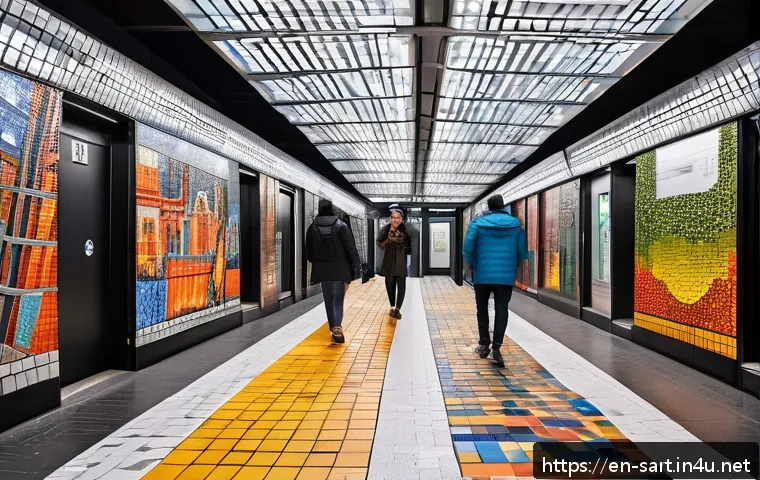
Integrating traditional craftsmanship into subway art is an ambitious undertaking fraught with logistical hurdles. Artists must navigate tight timelines, strict safety regulations, and the demanding conditions of public transit spaces.
Materials need to be both authentic and durable, while designs must accommodate high foot traffic and maintenance routines. From what I’ve learned through interviews with muralists, these constraints often require creative problem-solving and compromise, but the end result is usually worth the effort.
The challenge itself becomes part of the artwork’s story, highlighting the resilience and adaptability of traditional crafts in a modern setting.
Funding and Community Support
Securing financial backing for such hybrid projects can be tricky, as they often fall between categories of public art, cultural preservation, and urban development.
Success depends heavily on partnerships between city agencies, art organizations, and local communities. When these stakeholders align, the outcome can be transformative—not just visually, but socially and economically as well.
I’ve witnessed how projects that celebrate craftsmanship tend to attract diverse audiences and boost local pride, which in turn encourages further investment.
It’s a virtuous cycle that benefits everyone involved.
Measuring Impact Beyond Aesthetics
Evaluating the success of these projects goes beyond how pretty the murals look. Impact is also gauged by increased foot traffic, community engagement, and even mental well-being of commuters.
Some studies suggest that exposure to culturally rich, craft-based art in public transit reduces stress and enhances overall satisfaction with the urban environment.
From my personal observations, stations with such art feel more welcoming and safer, encouraging more people to use public transport. This holistic benefit reinforces the value of merging traditional artistry with contemporary street art in everyday spaces.
Key Elements of Craft-Infused Subway Art
| Aspect | Description | Example | Benefit |
|---|---|---|---|
| Traditional Techniques | Hand-painting, mosaic tiling, embroidery-inspired patterns | Mural replicating indigenous weaving motifs | Preserves cultural heritage and adds unique texture |
| Modern Adaptations | Durable spray paints, weather-resistant varnishes, AR integration | Projection mapping on craft-based murals | Ensures longevity and enhances engagement |
| Community Involvement | Workshops, participatory art creation | Commuter-led tile installation | Builds local pride and fosters connection |
| Storytelling | Cultural narratives, historical references | Murals depicting local legends intertwined with city life | Creates emotional resonance and reflection |
| Functional Design | Integration with station architecture and commuter flow | Textured walls that invite touch without obstructing movement | Enhances commuter experience without disruption |
Inspiring Future Directions for Urban Art
Expanding the Definition of Public Art
The success of integrating craftsmanship into subway art challenges the traditional notion of public art as merely decorative or symbolic. It opens the door to more dynamic, participatory, and culturally meaningful projects that engage audiences on multiple levels.
This evolution encourages cities worldwide to rethink how they commission and support art, pushing for inclusivity and deeper cultural representation.
I’m excited to see how this approach spreads, inspiring new generations of artists to honor their roots while innovating boldly.
Cross-Cultural Collaborations
As cities become increasingly multicultural, there’s huge potential for craft-infused subway art to celebrate diverse traditions side by side. Collaborative projects that weave together different cultural techniques and stories can create powerful symbols of unity and shared identity.
In my experience attending such events, the creative exchange not only enriches the artwork but also builds bridges between communities that might otherwise remain isolated.
These collaborations are a testament to art’s ability to foster empathy and understanding in bustling urban landscapes.
Technology as a Catalyst, Not a Replacement
While digital tools enhance craft-inspired subway art, the heart of these projects remains the human skill and cultural knowledge passed down through generations.
Technology should serve as a catalyst to amplify and preserve these traditions, not replace them. I believe the most impactful works strike a balance, using innovation to celebrate authenticity rather than overshadow it.
This philosophy ensures that the legacy of craftsmanship endures, adapted for the 21st century but never forgotten.
In Conclusion
The revival of craftsmanship in urban transit art breathes new life into city spaces, blending tradition with innovation. This movement not only enriches daily commutes but also fosters a deeper connection between communities and their cultural heritage. By embracing both the old and the new, these artworks create meaningful experiences that resonate long after the journey ends.
Helpful Information to Know
1. Traditional crafting methods like hand-painting and mosaic tiling are being creatively adapted for durable urban art installations.
2. Modern technologies such as projection mapping and augmented reality enhance engagement without overshadowing the artisanal roots.
3. Community workshops invite local residents to actively participate, strengthening cultural pride and ownership.
4. These art projects face unique challenges, including material durability and regulatory constraints, requiring innovative solutions.
5. Beyond aesthetics, craft-infused transit art positively impacts commuter well-being and promotes social cohesion.
Key Takeaways
Integrating traditional craftsmanship into urban transit art transforms public spaces into vibrant cultural hubs. Success relies on balancing artistic authenticity with practical demands, fostering community involvement, and leveraging technology thoughtfully. This approach not only preserves heritage but also redefines public art as an interactive, inclusive experience that enriches city life on multiple levels.
Frequently Asked Questions (FAQ) 📖
Q: uestionsQ1: How does contemporary street art incorporate traditional craftsmanship techniques?
A: Contemporary street art often draws from age-old craftsmanship by integrating techniques like mosaic tiling, stencil work, and hand-painted calligraphy into urban murals and installations.
Artists blend these methods with modern materials and digital tools, creating a fresh dialogue between the past and present. This fusion not only preserves cultural heritage but also reinvents it, making traditional crafts accessible and relevant within the fast-paced city environment.
Q: What impact does subway art have on daily commuters and public perception of art?
A: Subway art transforms routine commutes into immersive cultural experiences, offering unexpected moments of beauty and reflection amid the bustle. For many commuters, these artworks break the monotony, sparking curiosity and emotional connection.
Over time, this exposure helps shift public perception by democratizing art—moving it out of galleries and into everyday spaces—thereby fostering greater appreciation and inclusivity within the urban art scene.
Q: Can exploring this blend of modern street art and traditional techniques influence how we engage with our city’s cultural identity?
A: Absolutely. Engaging with street art that incorporates traditional craftsmanship invites us to see our city’s history and contemporary life as intertwined narratives.
It encourages a deeper understanding of cultural roots while celebrating innovation. This layered experience enriches our connection to place, making urban environments feel more vibrant and meaningful, and inspiring us to value both heritage and creative evolution in our daily surroundings.