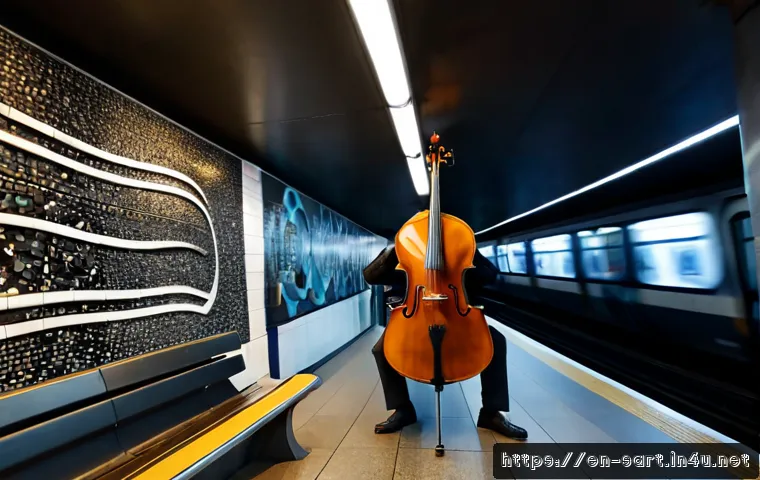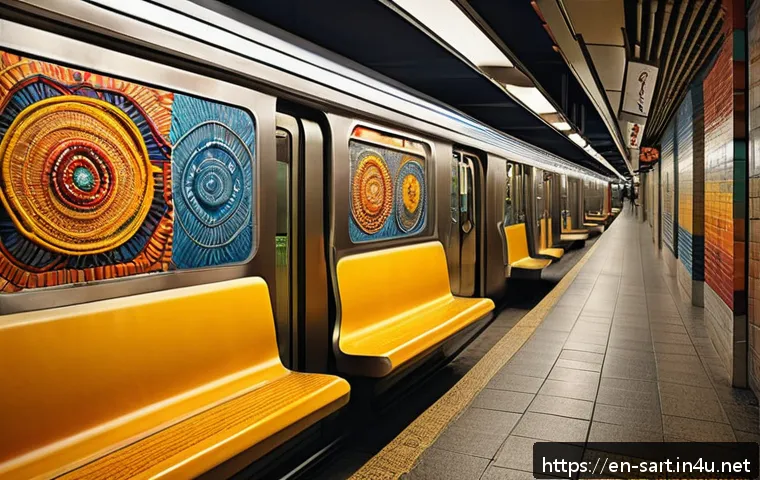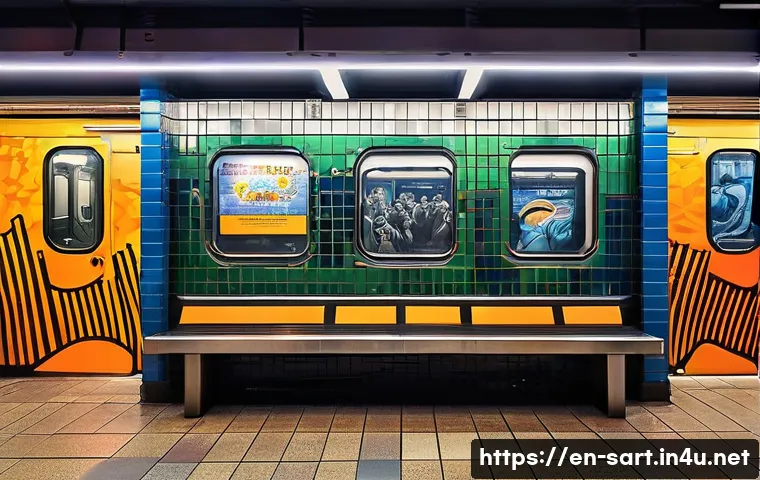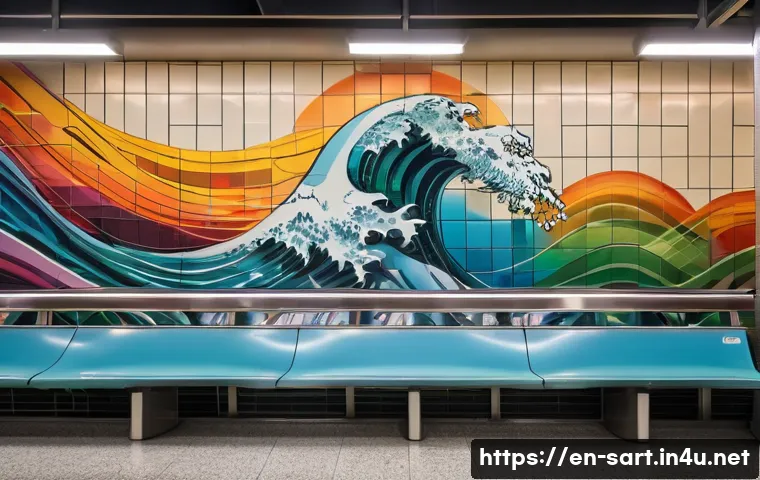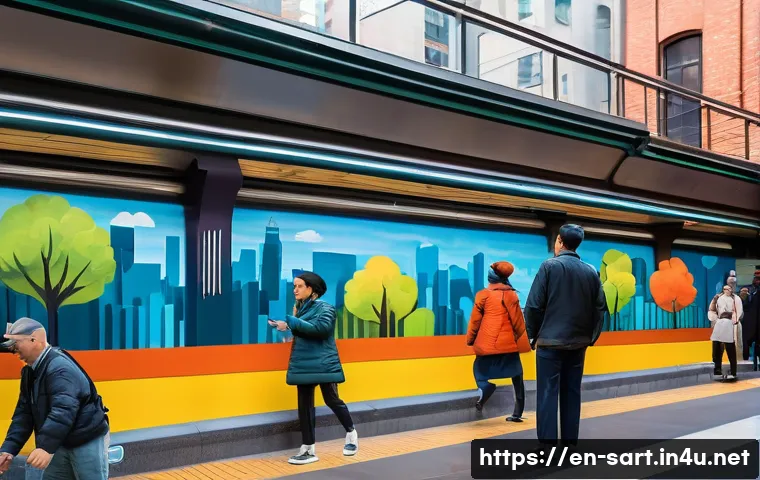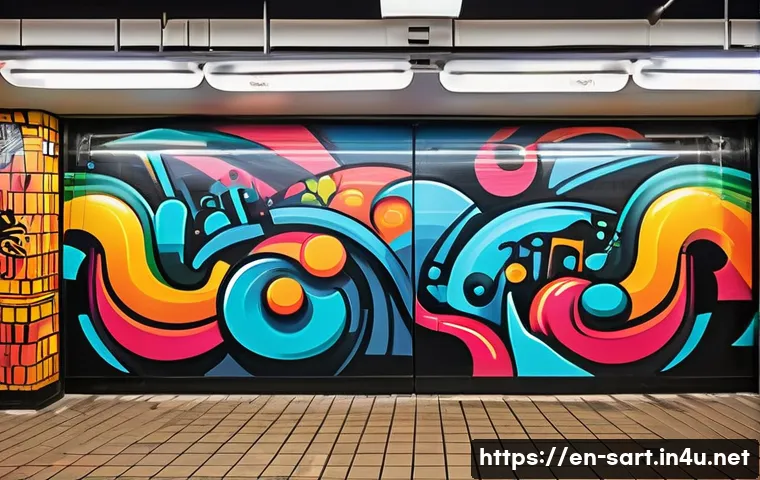
Subway systems around the world are more than just transit hubs—they’re vibrant canvases that showcase creativity and culture. Seoul’s subway art projects have transformed mundane commutes into immersive experiences filled with stunning murals, interactive installations, and thought-provoking designs.
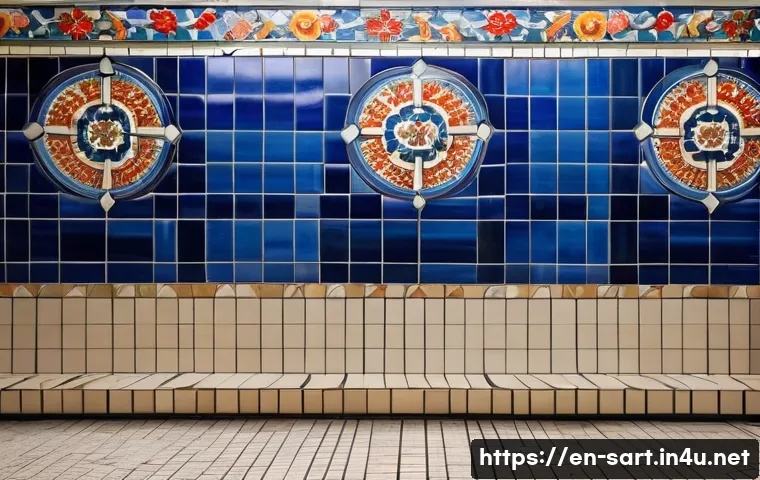
These artistic endeavors not only brighten daily travel but also celebrate local heritage and contemporary expression. As urban spaces evolve, integrating art into public transportation offers a unique way to engage communities and inspire commuters.
Curious about how Seoul’s subway art breathes life into its underground corridors? Let’s dive in and explore the details together!
Transforming Commutes Through Visual Storytelling
The Power of Murals in Everyday Travel
Murals in Seoul’s subway stations do more than just decorate walls—they tell stories. Each piece often reflects the history, culture, or aspirations of the local community, turning a simple commute into a visual journey.
I remember stepping onto a platform where vivid murals captured the spirit of a neighborhood’s past, giving me a deeper sense of place and time. These massive artworks help shift the subway experience from routine to remarkable, encouraging riders to pause and appreciate their surroundings rather than rushing through.
Interactive Installations That Engage Senses
Some stations go beyond static images by incorporating interactive elements that invite participation. These installations might respond to movement, light, or sound, making the commute a playful experience.
For example, I once encountered a digital wall that changed colors and patterns as people walked by, creating a dynamic dialogue between the artwork and the crowd.
This kind of engagement not only entertains but also fosters a sense of connection among commuters who share the moment.
Using Art to Reflect Contemporary Issues
Art in Seoul’s subway doesn’t shy away from current social themes. Certain projects use the underground space to raise awareness about environmental concerns, mental health, or diversity.
By embedding these messages in public transit, artists reach a broad audience and spark reflection during an otherwise mundane part of the day. It’s impressive how these creative expressions can inspire empathy and dialogue among strangers sharing a common space.
Celebrating Local Culture Through Design
Integrating Traditional Motifs in Modern Spaces
One striking aspect of Seoul’s subway art is the blend of traditional Korean motifs with contemporary design. Stations often showcase patterns, colors, or symbols rooted in heritage, but presented in fresh, innovative ways.
I found this mix particularly fascinating because it honors the past while embracing the present, making the subway a living museum that’s accessible to everyone.
Spotlighting Regional Artists and Their Stories
Many art projects prioritize local artists, giving them a platform to share their unique perspectives. This not only supports the creative community but also enriches the cultural fabric of the city’s transit system.
From emerging talents to established names, these artists bring diverse voices underground, reflecting the city’s vibrant artistic scene. I’ve discovered several artists through these installations, which inspired me to explore their work beyond the subway.
Creating Community Identity and Pride
The art projects often serve as landmarks that foster community pride. Neighborhoods become associated with particular styles or themes, which helps strengthen local identity.
Commuters who regularly use those stations frequently express a personal connection to the art, as if it belongs to their daily life story. This sense of ownership and pride is a powerful outcome of integrating art into public spaces.
Innovative Techniques and Materials in Subway Art
Use of Technology to Enhance Artistic Impact
Technological advancements have allowed artists to push the boundaries of subway art. LED lighting, augmented reality, and projection mapping create immersive environments that change throughout the day or in response to passenger interactions.
I experienced a station where projections transformed plain walls into underwater scenes, making the underground feel magical and alive. Such innovations keep the subway experience fresh and exciting.
Durable Materials for High-Traffic Environments
Art in subway stations must withstand heavy foot traffic, humidity, and pollution. Artists and planners collaborate to select materials that maintain vibrancy and integrity over time.
For example, ceramic tiles, treated metals, and weather-resistant paints are common choices. This attention to durability ensures that the beauty and message of the artwork endure, providing lasting enjoyment for commuters.
Eco-Friendly Practices in Art Creation
Sustainability is increasingly important in public art projects. Some subway art incorporates recycled materials or uses environmentally friendly production methods.
I recall a project where discarded plastic bottles were transformed into a colorful installation, highlighting the issue of waste while beautifying the station.
This approach aligns with broader city initiatives to promote green practices and raise awareness about environmental responsibility.
Art as a Tool for Social Connection and Mental Wellbeing
Reducing Stress Through Aesthetic Engagement
Commuting can often be stressful and monotonous, but encountering art provides a welcome mental break. Many riders, including myself, have found that beautiful or thought-provoking artworks help reduce anxiety and improve mood during rush hours.
The visual stimulation offers a moment of calm and distraction, which can positively affect overall wellbeing.
Encouraging Social Interaction Among Strangers
Public art in subways also encourages conversations and shared experiences. Whether people discuss a controversial piece or simply admire a mural together, the artwork acts as a social catalyst.
I’ve overheard spontaneous exchanges sparked by subway art, which adds a layer of community spirit to the transit environment that often feels impersonal.
Promoting Inclusivity and Diversity
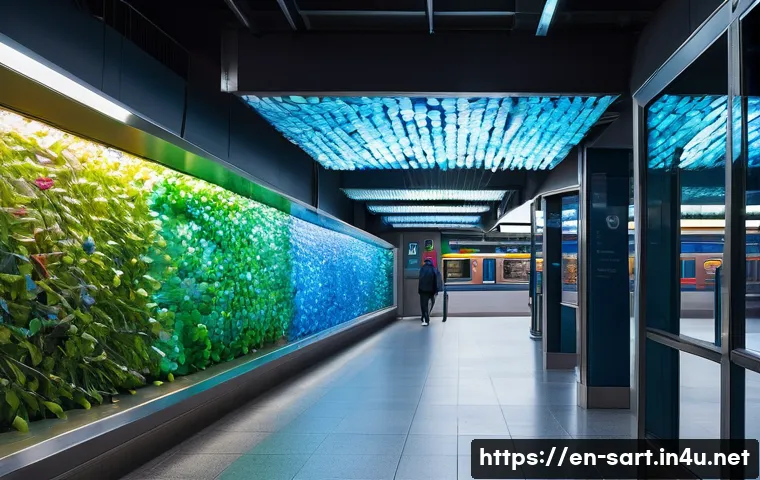
Art projects often highlight themes of inclusivity, representing diverse cultures, ages, and abilities. This representation fosters a welcoming atmosphere for all passengers and promotes understanding.
Seeing one’s identity or culture reflected in public art can be empowering and affirming, something I’ve personally witnessed among various commuter groups.
Mapping the Art Experience: Key Stations and Features
| Station | Art Type | Theme | Notable Feature |
|---|---|---|---|
| Hongdae | Murals and Graffiti | Youth Culture and Music | Interactive wall that reacts to sound |
| Gwanghwamun | Traditional Motifs | Korean History and Heritage | Ceramic tile mosaics depicting royal palaces |
| Seoul Station | Digital Installations | Urban Future and Technology | LED projections changing with time of day |
| Jamsil | Environmental Art | Nature and Sustainability | Recycled materials sculpture |
| Dongdaemun | Contemporary Sculpture | Fashion and Creativity | Metalworks inspired by textile patterns |
Collaborations Between Artists and City Planners
Balancing Artistic Vision and Practical Constraints
Integrating art into a busy transit system requires close cooperation between artists and city officials. They must consider safety, maintenance, and passenger flow while preserving creative freedom.
From my conversations with several local artists, I learned how this balance often leads to innovative solutions that enhance both functionality and aesthetics.
Funding Models Supporting Public Art
Public art initiatives in Seoul’s subway are funded through a mix of government grants, private sponsorships, and cultural programs. This diversified funding allows for ambitious projects without compromising quality.
In some cases, brands sponsor installations, creating a subtle synergy between commerce and culture that benefits commuters without feeling intrusive.
Community Input in Design Processes
Engaging local communities in the design phase ensures that the artwork resonates with those who use the stations daily. Public workshops and surveys help artists understand what themes or styles will be most meaningful.
I’ve noticed that stations incorporating community feedback tend to have stronger emotional connections with passengers, enhancing their overall satisfaction.
Future Directions in Subway Art Innovation
Expanding Digital and Augmented Reality Experiences
The rise of AR and VR technologies promises to take subway art to new heights. Imagine pointing your phone at a mural and watching it come alive with stories or animations.
These immersive experiences could transform how commuters engage with public spaces, making art not just seen but felt.
Personalized Art Journeys for Commuters
Advances in mobile apps and AI could allow riders to customize their art experiences based on preferences or moods. For instance, an app might recommend stations with art matching a user’s interests, turning daily travel into a personalized cultural tour.
This idea excites me because it blends technology with creativity in a deeply personal way.
Global Collaborations Showcasing Diverse Voices
Seoul’s subway art may increasingly feature international artists, fostering cross-cultural dialogue underground. Such collaborations would enrich the city’s cultural landscape and offer commuters a glimpse of global perspectives.
This trend aligns with Seoul’s status as a cosmopolitan metropolis and reflects the interconnectedness of today’s urban life.
Closing Thoughts
The integration of art into daily commutes transforms ordinary travel into inspiring experiences. By blending creativity with community identity and innovative technology, subway art enriches urban life in meaningful ways. It invites us to slow down, connect, and appreciate the world around us during our busiest moments.
Useful Information to Keep in Mind
1. Murals and interactive art in transit spaces can greatly enhance commuter mood and engagement.
2. Incorporating local culture and artists helps build a strong sense of community pride and ownership.
3. Durable and eco-friendly materials are essential for maintaining art in high-traffic public areas.
4. Collaborative planning between artists, city officials, and residents ensures art resonates meaningfully with users.
5. Emerging technologies like AR and personalized apps are shaping the future of immersive public art experiences.
Key Takeaways for Subway Art Integration
Successful public art in transit systems requires balancing artistic vision with practical needs such as safety and maintenance. Engaging local communities throughout the design process fosters deeper emotional connections and relevance. Sustainable materials and innovative technologies not only preserve artworks but also create dynamic, interactive environments that enhance commuter wellbeing. Ultimately, thoughtfully curated art turns everyday travel into a shared cultural journey that benefits both individuals and the city as a whole.
Frequently Asked Questions (FAQ) 📖
Q: How does subway art enhance the daily commuting experience?
A: Subway art transforms the often monotonous routine of commuting into a visually stimulating journey. By incorporating vibrant murals and interactive installations, it captures commuters’ attention and provides moments of reflection or joy.
Personally, I’ve noticed that these artistic elements can reduce stress and even spark conversations among passengers, making the underground space feel less like a transit point and more like a cultural hub.
Q: What types of themes are commonly featured in subway art projects?
A: Subway art typically reflects a blend of local heritage, contemporary culture, and social messages. For example, many installations celebrate historical landmarks or traditional motifs, while others showcase modern artistic expressions or address community issues.
This mix not only educates riders about the city’s identity but also encourages them to think critically about their environment.
Q: Can art in public transportation actually impact community engagement?
A: Absolutely. When art is integrated into public spaces like subway stations, it invites people to pause, appreciate, and even participate in the creative process.
I’ve seen firsthand how these projects can foster pride and a sense of belonging among residents. Moreover, they often become landmarks themselves, encouraging locals and tourists alike to explore beyond their usual routes, which in turn boosts local businesses and cultural awareness.