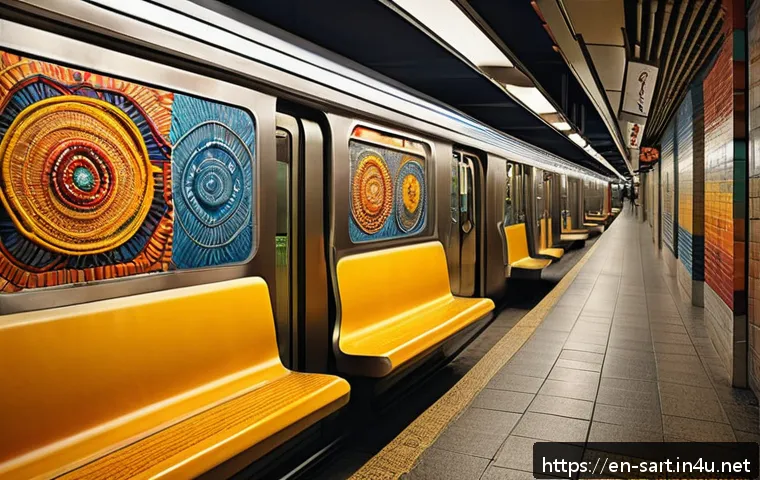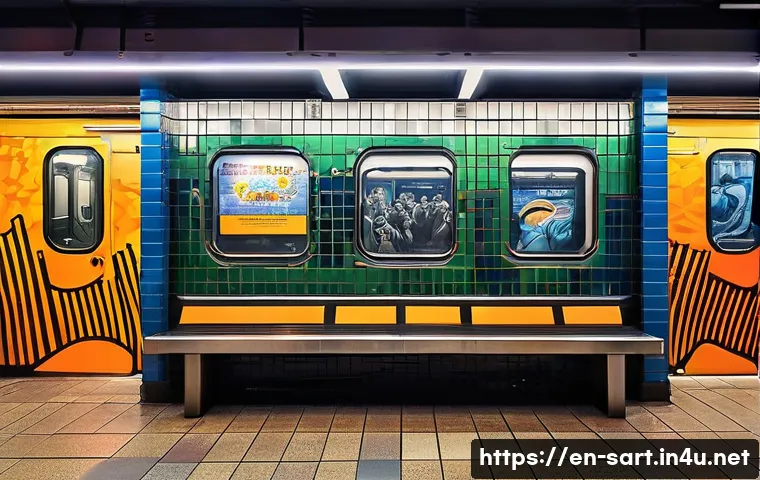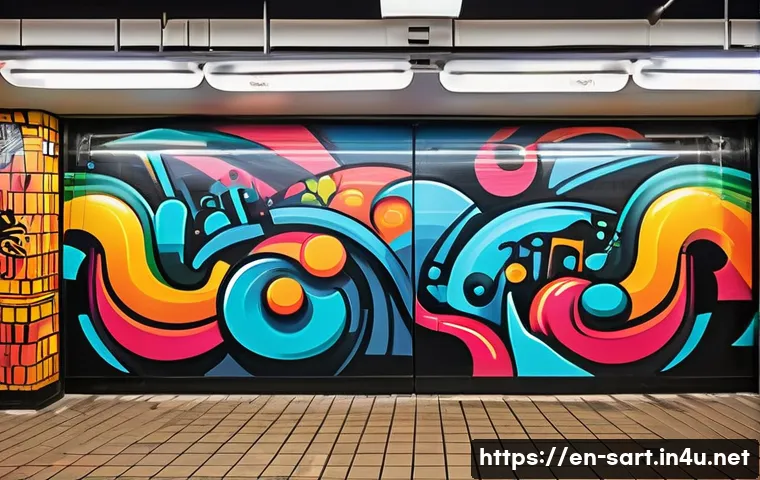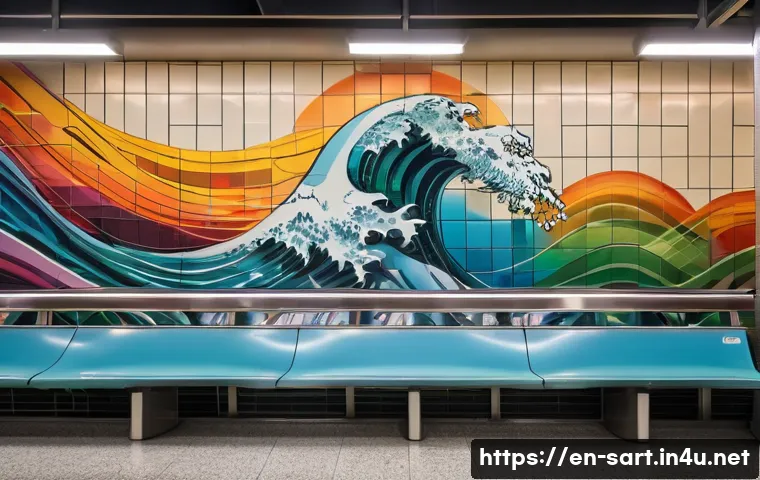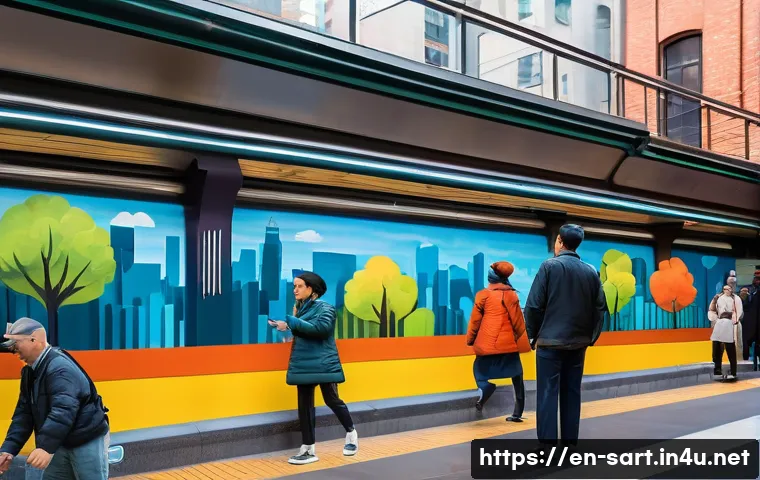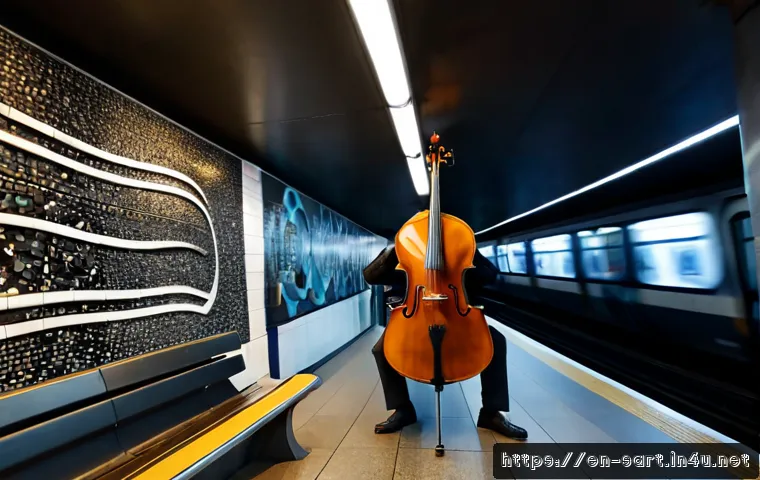
Visual art and sound can improve a subway station when they help passengers recognize where they are, move confidently, and feel more comfortable in a shared space.
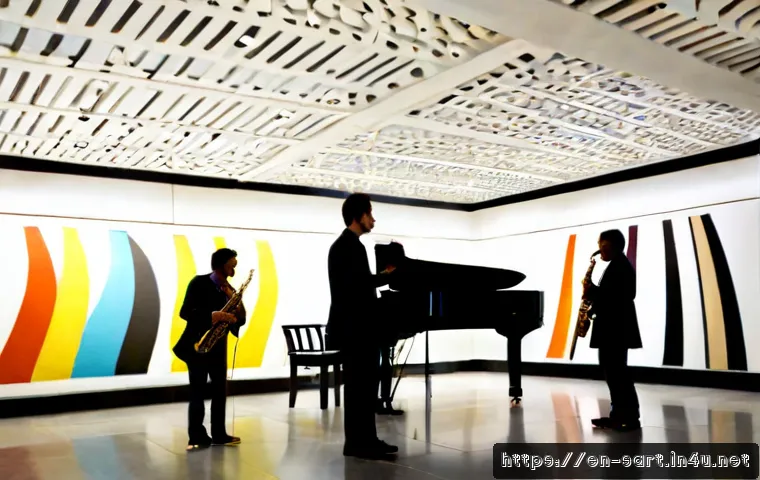
They become a problem when they compete with announcements, signage, safety information, or the needs of people who are sensitive to noise and visual overload.
For project teams, the best choice depends on whether the main goal is long-term identity, community activity, clearer acoustics, or a temporary cultural moment.
A mural may offer a durable landmark, while live music may require ongoing coordination and licensing review. Sound design services and public art commissioning should be evaluated alongside maintenance, accessibility, and daily station operations.
The creative idea matters, but the passenger journey must remain the priority.
At a Glance
- Art and sound add value when they support orientation, atmosphere, and local identity without interrupting passenger movement.
- Clear wayfinding and audible announcements should come before decorative audio or visually complex features.
- Permanent art, cultural programming, sound installations, and acoustic upgrades have different operating needs and should not be selected by appearance alone.
| Option | Best Primary Use | Operating Considerations | Key Selection Question |
|---|---|---|---|
| Permanent visual art | Landmarks, station identity, and long-term sense of place | Durability, cleaning, repair access, materials, and integration with architecture | Will passengers recognize the station and still read signs easily? |
| Live music | Community activation and temporary cultural programming | Scheduling, staffing, passenger flow, performance rules, and licensing | Can performances happen without blocking routes or masking announcements? |
| Sound installation | Site-specific atmosphere and creative interpretation of a location | Volume control, timing, equipment protection, content updates, and accessibility | Will the audio remain comfortable during busy and quiet periods? |
| Acoustic improvement | Speech clarity, comfort, and reduction of disruptive ambient noise | Station layout, materials, ongoing upkeep, and technical coordination | Is poor audibility the actual passenger problem to solve first? |
The Short Answer: Art and Sound Work Best When They Support the Passenger Journey
Subway art is most effective when it does more than fill an empty wall. It can help a station feel recognizable, make a transfer area easier to remember, and give routine travel a stronger connection to its surroundings. Sound can also shape atmosphere, whether it comes from live performers, curated recordings, announcement cues, or a purpose-built sound installation.
The condition is simple: passenger information must stay clear. A station is a working public environment, not a gallery with trains passing through it. People need to find exits, platforms, elevators, accessible routes, and service information quickly, sometimes in crowded or stressful conditions.
Visual identity, orientation, and emotional atmosphere
Murals, mosaics, sculpture, light installations, digital displays, and architectural details can create memorable visual anchors. A large mosaic near a concourse may help passengers distinguish one entrance from another. Lighting or a site-specific structural feature may give a platform its own visual character without requiring extra signage.
The strongest approach usually connects visual identity with practical orientation. Art should complement route maps, platform markers, and directional signs rather than imitate them. If the visual field is already busy, adding more color, motion, or text can make navigation harder instead of easier.
Why clarity and accessibility must come before spectacle
Artistic sound should never make essential announcements difficult to hear. The same principle applies to visual work that competes with emergency messaging, directional information, or accessibility cues. A design that feels engaging in a quiet presentation may work differently during peak travel, service changes, or platform crowding.
Consider people with hearing sensitivity, low vision, mobility needs, language barriers, or limited time to make a connection. Comfort is not the same as silence, but it does require control over volume, timing, contrast, placement, and movement through the space.
Three quick questions before adding music to a station
- Can riders still hear announcements and understand where to go?
- Does the audio fit the station’s busiest periods as well as quieter times?
- Who will manage licensing, equipment, scheduling, and complaints after launch?
How Visual Design and Music Create a Sense of Place
A station can become part of a neighborhood’s public identity, but local relevance should be handled with care. Good transit art reflects real context through research, collaboration, and thoughtful commissioning. It should not reduce a community to a shallow visual theme or a predictable soundtrack.
Murals, mosaics, lighting, and architecture as station landmarks
Permanent public art can make a station easier to remember. A mural can frame an entrance. A mosaic can establish a visual rhythm along a corridor. Integrated lighting can make a transition between street level and platform feel more legible. Architectural features can also become art when they are designed specifically for the site.
For a public art commissioning process, teams should ask how the work will age, how it will be cleaned, and whether repair access has been planned. Material durability matters as much as the initial concept in a high-contact public environment.
Live musicians, ambient audio, and sound-based installations
Live musicians can create a direct connection between transit and local cultural programming. They can also introduce practical questions around performance locations, crowd gathering, station rules, scheduling, and public access. Recorded audio may be easier to schedule, but it still requires careful attention to volume, timing, licensing, and audience response.
A sound installation can be more integrated with the station itself. It may respond to a particular space, architectural feature, or movement pattern. Yet a sound-based project should be tested against the station’s existing ambient noise and announcement system. Audio that is compelling in isolation may be tiring or unclear in daily operation.
Matching creative choices to neighborhood character without stereotyping communities
Community relevance is not achieved by adding generic symbols or assuming that one sound represents everyone nearby. Project teams can build a stronger foundation by defining what local input is needed, who will review proposals, and how artists or sound designers will understand the station’s history and current users.
The goal is not to force a single identity onto a shared space. It is to create work that feels considered, accessible, and appropriate to the people who pass through it every day.
Comparing Options: Public Art, Live Music, Sound Installations, and Acoustic Upgrades
There is no universal “best” station feature. The right investment depends on the problem being addressed. If people struggle to hear information, an acoustic design review may be more useful than adding music. If a station lacks a recognizable identity, a permanent visual commission may have more value than repeated short-term events.
When a one-time commission is more practical than recurring programming
A permanent commission may be practical when a station needs a durable landmark and the project team can plan for cleaning, repair, and long-term ownership. Murals, mosaics, and integrated architectural elements can provide ongoing visual value without the recurring coordination required by live events.
Recurring programming can be a better fit when the goal is temporary activation, cultural participation, or changing content. However, it may involve continued work around staffing, performer coordination, operational approvals, and licensing. A temporary format can be useful for learning what passengers respond to before committing to a permanent installation.
Budget questions to ask before requesting artist or sound-design proposals
Before comparing proposals, define the operational scope. Ask whether the proposal includes concept development, fabrication or production, installation, equipment protection, content management, maintenance planning, and accessibility review. For sound design services, clarify how audio will interact with announcements, ambient noise, and station layout.
It is also useful to ask what assumptions are being made about power, mounting locations, cleaning access, security, and future repairs. Exact costs depend on the site and scope, so they should be confirmed through a formal public art consultant, acoustic designer, or qualified project vendor proposal rather than assumed in advance.

Planning for Safety, Accessibility, and Daily Operations
Transit art must coexist with daily movement, cleaning, service changes, and urgent communication. A successful project does not create a separate “art zone” that operations staff must work around. It is designed with the station’s real conditions in mind from the beginning.
Keeping announcements audible and routes easy to understand
Announcements are an essential accessibility function. Any music, recorded audio, or sound installation should be planned so that service updates and safety messages remain understandable. The same rule applies visually: art should not obscure signs, maps, platform identifiers, or emergency information.
Review the project from a passenger’s perspective. Can someone entering quickly identify the route? Can they locate an elevator or exit? Can they tell where a platform edge, queue area, or transfer path begins? Wayfinding should remain immediate, not interpretive.
Designing for hearing sensitivity, mobility needs, and crowded platforms
Station experience changes throughout the day. A sound level that seems modest in an empty concourse may feel different in a crowded space with train noise, conversation, and announcements. Visual installations can also affect comfort if they rely heavily on flashing light, intense movement, or dense imagery near key decision points.
Design teams should consider placement, timing, clear circulation routes, and the ability to adjust or pause artistic audio when operations require it. Accessibility is not a final compliance check; it is a design condition that shapes the concept from the start.
Licensing, equipment protection, cleaning, and long-term maintenance
Music and recordings may involve licensing requirements, and public performances may be subject to local transit authority rules. These requirements should be confirmed before programming is announced or equipment is installed. A proposal should also identify who is responsible for equipment protection, repairs, cleaning, and content updates.
For permanent visual works, maintenance planning should cover the materials used, likely surface wear, access for cleaning, and how the artwork can be repaired without disrupting station operations. A compelling concept without an ownership plan can become an operational burden.
Common Mistakes in Transit Art and Music Projects
Treating art as an afterthought to construction
When art is added after major station decisions are complete, there may be limited options for placement, electrical needs, mounting, acoustic coordination, or maintenance access. Early integration gives artists, architects, operations teams, and accessibility reviewers more room to solve practical problems together.
Choosing volume or visual complexity over passenger comfort
More sensory activity does not automatically create a better public space. Loud sound, constant audio loops, highly animated displays, or visually dense surfaces can distract from the passenger journey. The better test is whether the feature supports comfort and recognition without demanding attention from every person who passes through.
Underestimating repair, staffing, and content-update needs
Digital displays, audio equipment, and recurring performances all need active management. Even a durable physical installation may need cleaning and repair over time. A project plan should state who will handle these responsibilities and what happens if equipment fails, content needs revision, or operational conditions change.
Selection Criteria and Comparison Summary
Choose permanent visual art when landmark recognition, long-term station identity, and durable site integration are the main goals. Choose live or programmed music when community activation and changing cultural programming matter more than permanence. Choose sound installation only when volume control, announcement clarity, equipment protection, and ongoing management are clearly addressed. Choose acoustic design when speech clarity and comfort are the central passenger concerns.
- Confirm that wayfinding and announcement audibility remain protected.
- Compare durability, cleaning, repair access, and long-term ownership.
- Ask how the proposal handles accessibility and crowded conditions.
- Review licensing and transit authority permissions for music or performances.
- Request a clear scope from public-art consultants, acoustic designers, or event-programming vendors.
When comparing providers, review the official proposal details for maintenance responsibilities, accessibility planning, licensing assumptions, and operational support.
In Closing
The best subway art and music projects make a station easier to use while giving it a stronger character. Visual work can become a lasting landmark, while sound can create atmosphere or support a cultural program. Neither should interfere with clear information, accessible movement, or daily operations. A careful selection process helps project teams choose a feature that remains useful after the opening moment has passed.
Useful Things to Know
Public art can include murals, mosaics, sculpture, digital displays, light installations, and site-specific architectural elements. Musical elements can include live performance, curated recordings, sound installations, acoustic design, and announcement sound cues. The format is less important than its fit with the station’s operational and accessibility needs.
Important Considerations
The specific cost, maintenance demands, licensing requirements, and passenger response for any installation depend on the station, the proposal, and local rules. Music and sound installations may not be permitted in every transit setting. Claims about safety, crime reduction, ridership, or satisfaction should not be assumed without project-specific evidence and review.
Frequently Asked Questions
Q1. Does music in subway stations improve the passenger experience?
A1. It can contribute to atmosphere and sense of place, but the effect varies by volume, timing, station layout, ambient noise, and passenger needs. Music should not interfere with clear announcements, wayfinding, or comfort for riders who are sensitive to sound.
Q2. What should a transit agency compare before commissioning public art or a sound installation?
A2. Compare the intended purpose, accessibility impact, durability, maintenance plan, passenger flow, announcement audibility, equipment needs, licensing questions, and long-term operational responsibility. A public art consultant or acoustic design provider should clearly address these points in the proposal.
Q3. Are live musicians, recorded music, and sound art suitable for every station?
A3. No. Suitability depends on transit authority rules, station layout, crowd conditions, acoustic environment, operational needs, and licensing requirements. Each format should be assessed for the specific location rather than treated as a universal amenity.